
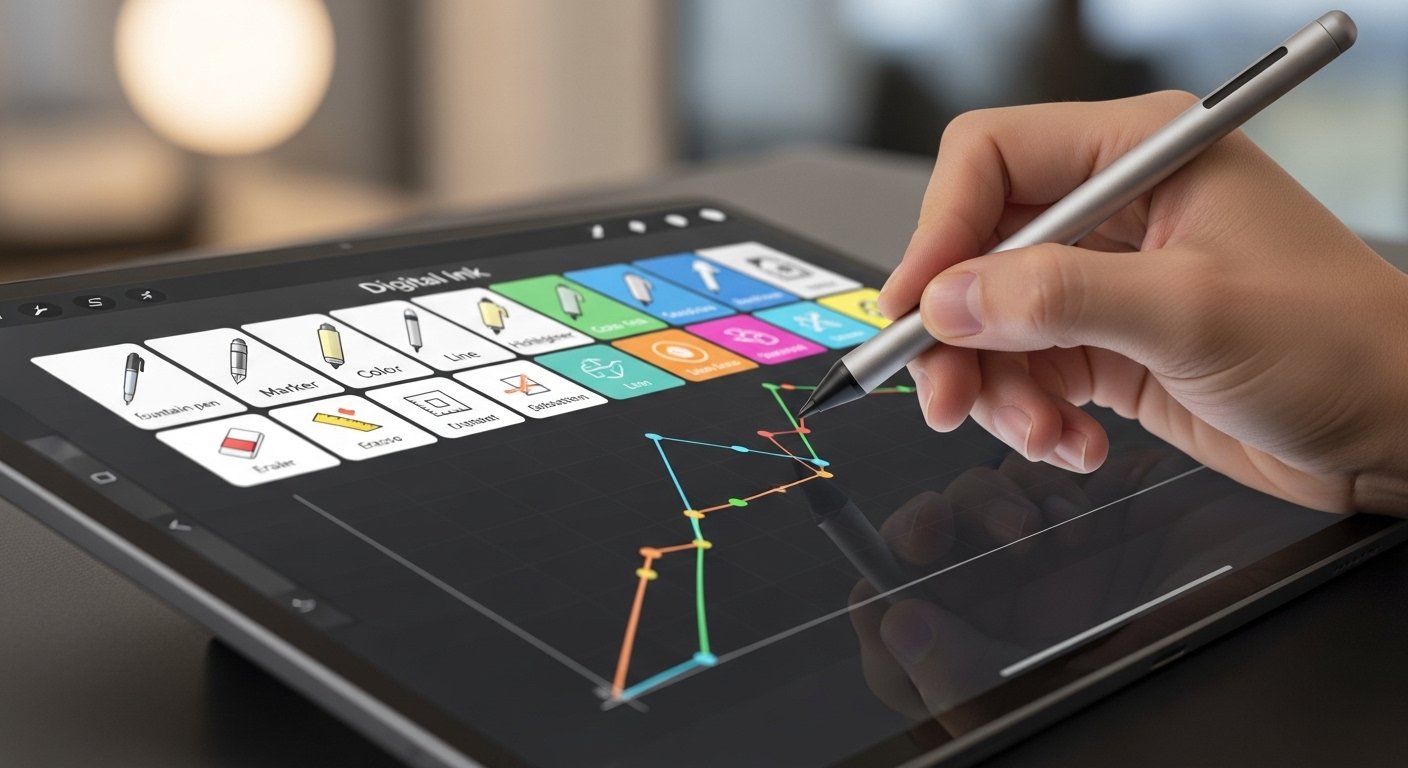
Imagine a world where the fluidity of your thoughts can flow seamlessly onto digital canvases, just like ink on paper. Welcome to the realm of Digital Ink! With technology evolving at lightning speed, traditional writing methods are being transformed into dynamic digital experiences that enhance creativity and productivity. Microsoft’s suite of Digital Ink tools is leading this charge, offering innovative ways to capture ideas and collaborate effortlessly. Whether you’re an artist sketching your next masterpiece or a student jotting down lecture notes, these tools unlock endless possibilities for expression and organization. Let’s dive into what makes Digital Ink so captivating and why it might be the perfect fit for you!
What is Digital Ink?
Digital Ink refers to the technology that allows users to write, draw, and annotate directly on digital devices using styluses or touchscreens. Unlike traditional ink, this medium harnesses the power of modern software to create an interactive experience.
At its core, Digital Ink mimics the fluidity of pen-on-paper writing but integrates features that enhance usability. This includes pressure sensitivity, customizable brushes, and a variety of colors.
The beauty of Digital Ink lies in its versatility. It can be used for note-taking during meetings or lectures, sketching ideas in design apps, or even creating intricate illustrations.
With advancements in recognition software, handwritten text can easily convert into typed format. This bridge between handwriting and digital documentation opens up exciting new avenues for creativity and communication across various platforms like tablets and touchscreen laptops.
Benefits of Using Digital Ink Tools
Digital ink tools offer a seamless bridge between traditional writing and modern technology. They enhance creativity by allowing users to express thoughts visually, making brainstorming sessions more dynamic.
Collaboration becomes effortless with digital ink. Multiple users can annotate documents in real time, ensuring everyone’s input is captured instantly. This feature fosters teamwork and keeps projects moving forward smoothly.
Accessibility is another key benefit. Digital ink tools are often integrated into devices like tablets or touch-enabled laptops, enabling you to write anywhere at any time. Your notes and sketches live in the cloud, accessible on multiple platforms.
Moreover, these tools help organize ideas effectively. You can categorize your notes visually through color coding or different styles of writing—making it easier to locate important information later on.
With the ability to convert handwriting to text, digital ink bridges personal expression with practicality for quick sharing and editing across various formats.
Different Types of Digital Ink Tools
Digital ink tools come in various forms, each catering to different needs and preferences.
Stylus pens are one of the most popular options. They mimic the feel of traditional writing instruments while providing precision on digital screens.
Touchscreen devices also enhance the experience. Tablets and smartphones equipped with advanced touch technology allow for a natural handwriting experience.
Note-taking apps are essential companions for users seeking organization. These applications enable seamless integration with cloud storage, making it easy to access notes anywhere.
Graphic tablets take creativity to another level. Artists can create intricate designs using pressure-sensitive surfaces that respond beautifully to their strokes.
Digital whiteboards offer collaboration opportunities in real-time settings. Teams can brainstorm together, sketch ideas, or present information interactively as they share their thoughts visually.
How to Use Microsoft’s Digital Ink Tools
Using Microsoft’s Digital Ink tools is a breeze. Start by selecting your preferred device, whether it’s a Surface tablet or any touchscreen-enabled gadget. These tools are designed for seamless integration.
Open an application like OneNote or Word where you want to write. Choose the “Draw” tab and pick your ink color and pen style. The customization options allow you to express yourself freely.
When you’re ready, let your creativity flow! Use gestures for erasing or highlighting text effortlessly. You can also convert handwritten notes into typed text with just a few clicks.
For those who enjoy sketching ideas, utilize the shape recognition feature that turns rough drawings into polished shapes instantly. This adds professionalism to brainstorming sessions without losing your unique touch.
Experiment with different pressure levels on the stylus to achieve varying line thicknesses, enriching your digital artwork or annotations further.
Creative Ways to Incorporate Digital Ink into Your Work
Digital ink opens up a world of creative possibilities. You can transform your brainstorming sessions by using digital ink to sketch ideas directly onto your screen. This method captures the flow of thoughts in real-time, making it easier to visualize concepts.
For educators, leveraging digital ink during lessons can enhance engagement. Annotating on presentations provides an interactive experience for students and allows teachers to highlight key points effortlessly.
Writers can benefit too. Jotting down notes or drafting outlines with digital ink makes the writing process feel more organic and fluid. It mimics traditional pen-and-paper methods while offering editing capabilities at your fingertips.
Illustrators find joy in blending traditional art techniques with technology. Using digital ink tools lets them create intricate designs that are easily adjustable without starting from scratch.
With these innovative approaches, you’ll discover how versatile digital ink can be across various fields and projects.
Comparison with Traditional Writing Methods
Digital ink tools revolutionize the writing experience compared to traditional methods. With a stylus or touchscreen, you can create handwritten notes that feel organic yet are easily editable. Mistakes can be corrected with a simple swipe.
Unlike pen and paper, digital ink allows for immediate organization and retrieval of information. You can search through your notes in seconds, something that’s not possible with physical notebooks.
Collaboration also takes on new dimensions. Sharing ideas instantly is effortless with digital formats; no more passing around sheets of paper or dealing with lost pages.
Moreover, the environmental impact is significantly reduced when using digital ink tools. There’s no need for endless reams of paper or countless pens filling landfills.
The tactile sensation of writing remains intact while merging seamlessly into the digital world—an enticing blend for modern creators and professionals alike.
The Future of Digital Ink Technology
The future of digital ink technology is poised for remarkable advancements. As software and hardware evolve, we can expect enhanced precision in capturing handwriting and drawings.
Artificial intelligence will play a pivotal role. Imagine a tool that understands context, predicting what you want to write next or even converting your sketches into refined graphics seamlessly.
Moreover, cross-platform integration will become standard. Digital ink tools may sync effortlessly across devices—from tablets to smartphones—making creativity more accessible anywhere.
We could also see improvements in stylus technology, with pressure sensitivity and tilt recognition becoming exceptionally refined. This means an experience closer than ever to traditional pen-and-paper writing.
Collaborative features are likely on the rise as well. Think real-time sharing where multiple users can work simultaneously on the same digital canvas, enhancing teamwork dynamics in creative fields.
As these innovations unfold, the boundaries between physical and digital expression will blur further, redefining how we create and communicate.
Conclusion
Digital ink technology is reshaping how we interact with our devices and express our thoughts. The ability to write, sketch, and annotate digitally brings a level of convenience that traditional methods can’t match. Whether you’re brainstorming ideas or creating detailed artwork, digital ink tools enhance creativity and productivity.
As the landscape of technology evolves, so do the applications for digital ink. From education to professional settings, these tools are becoming essential in various fields. As you explore Microsoft’s offerings at https://www.microsoft.com/ink, consider how integrating these innovative tools can transform your workflows.
The future looks promising as advancements continue to emerge in this space. Embracing digital ink may not only streamline your tasks but also unlock new avenues for expression and collaboration. It’s an exciting time to dive into this realm of possibilities!