
Step into the world of Italian culinary traditions, where the art of crafting tortellini transcends mere cooking. Welcome to the realm of Tortellinatrice, a term that encapsulates not just a technique but a rich heritage passed down through generations. This cherished practice is more than just preparing pasta; it’s about weaving stories and memories into each delicate bite.
Imagine bustling kitchens filled with laughter and love as families gather around to create these tiny pasta masterpieces. Each piece tells its own story—crafted with care using traditional methods and ingredients that have stood the test of time. Join us on this journey as we explore everything from history to techniques, variations, tips for perfection, and how to savor every delicious mouthful of tortellini goodness!
The Traditional Ingredients Used in Making Tortellini
The heart of tortellini lies in its simple yet flavorful ingredients. Flour, eggs, and water form the base for the delicate pasta dough. Traditionally, “00” flour is preferred for its fine texture, ensuring a tender bite.
Filling options are what truly define this dish. A classic filling often includes ground meat such as pork or beef, combined with prosciutto and Parmesan cheese. The richness of these ingredients creates a harmonious blend.
Herbs like nutmeg add depth to the flavor profile. This subtle spice elevates each bite without overpowering the other components.
Cheese lovers may enjoy variations that feature ricotta mixed with spinach or herbs instead of meat. Each region in Italy boasts its unique spin on fillings, showcasing local tastes and traditions.
These traditional ingredients not only embody authenticity but also reflect centuries of culinary craftsmanship passed down through generations.
The Process of Making Tortellini Step-by-Step
Crafting tortellini is a delightful journey that begins with fresh pasta dough. Start by mixing flour and eggs until you achieve a smooth, elastic consistency. Rest the dough for about 30 minutes to let it relax.
Next, roll out the dough thinly on a floured surface. Cut it into squares or circles, depending on your preferred shape. Each piece should be just large enough to hold the filling.
Speaking of filling, traditional tortellini often features a blend of meats like pork and prosciutto, mixed with cheese and herbs. Place a small spoonful in the center of each pasta shape.
Now comes the fun part: folding! Gently bring two edges together to form a triangle, then wrap around your finger to create that signature tortellini shape. Press firmly to seal and ensure no filling escapes during cooking.
Once shaped, cook them immediately or freeze for later use—whichever suits your culinary adventure best!
Different Variations and Fillings for Tortellini
Tortellini offers a delightful canvas for creativity with its various fillings. Traditional options often feature a rich combination of meats, such as pork and prosciutto. These savory choices are balanced by the addition of cheese, particularly Parmigiano-Reggiano.
Vegetarian variations have gained popularity too. Spinach and ricotta provide a fresh and creamy alternative that caters to different dietary preferences.
Seafood tortellini is another exciting twist, incorporating flavors from the sea like crab or shrimp blended with herbs and spices.
For those seeking unique tastes, sweet versions filled with fruits or chocolate can turn this pasta into an unconventional dessert option. Each filling tells a story, bringing regional influences to life in every bite.
Experimenting with fillings allows chefs to express their culinary artistry while respecting tradition—making each tortellini experience truly special.
Tips and Tricks for Perfecting Your Tortellini
To perfect your tortellini, start with quality flour. Use ’00’ flour for a silky texture that holds up during cooking.
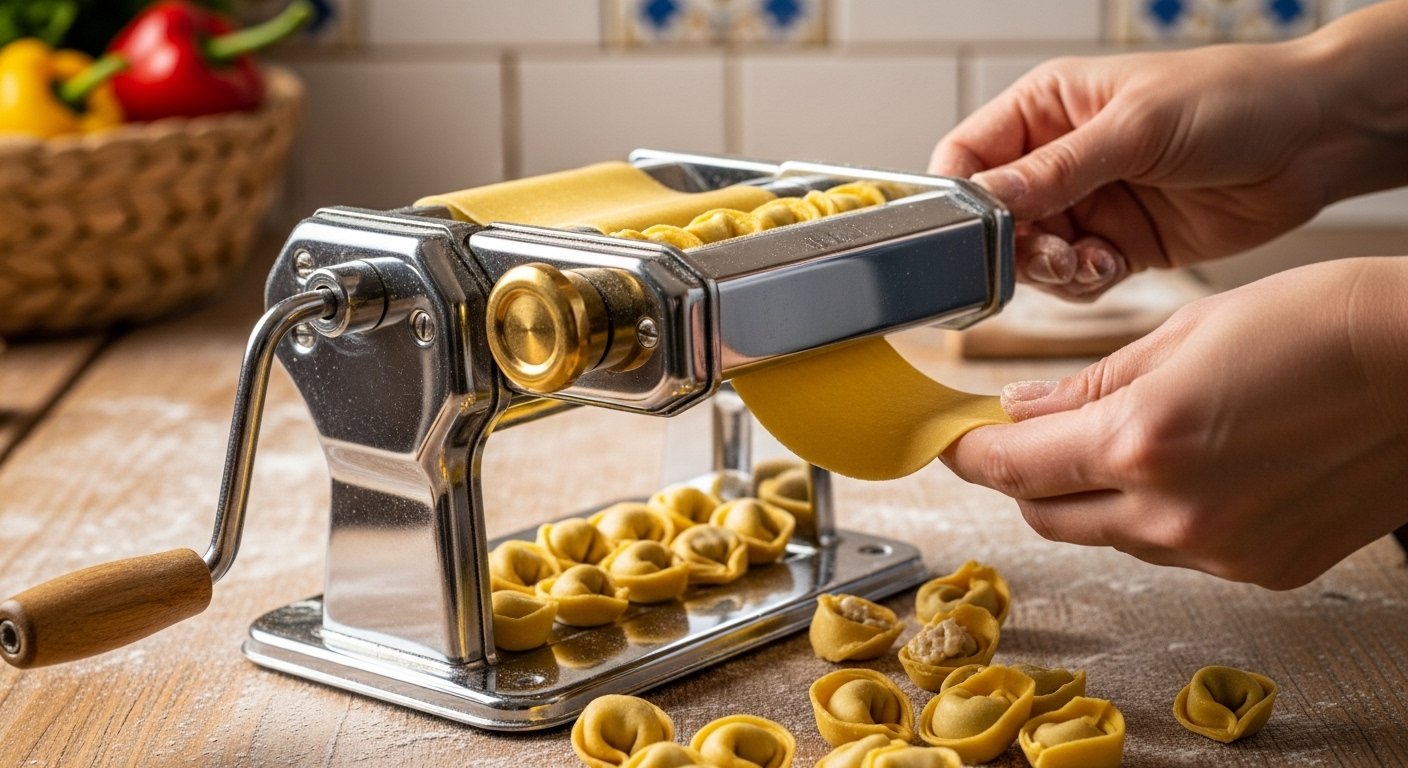
When rolling out the dough, aim for thinness without compromising strength. A pasta machine helps achieve this consistency effortlessly.
Don’t overfill your tortellini. A teaspoon of filling is typically enough to ensure they seal properly and cook evenly.
Use an egg wash on the edges before folding; it acts as glue to keep them intact while boiling.
As you shape each piece, remember to pinch tightly at the seams. This prevents any filling from escaping in boiling water.
Let your tortellini rest before cooking. This allows the gluten to relax and maintains their shape during cooking. Enjoy experimenting!
Serving and Enjoying Tortellini: Recipes and Pairings
Tortellini shines brightly when paired with the right sauces and accompaniments. A classic choice is a rich, velvety cream sauce that coats each pasta piece perfectly. Adding mushrooms or peas can enhance both flavor and texture.
For those seeking something lighter, consider a simple broth. A clear chicken or vegetable stock brings out tortellini’s delicate filling without overpowering it.
Don’t overlook fresh herbs. Basil, parsley, or even a sprinkle of thyme elevates your dish while adding freshness.
Cheese lovers will appreciate grating Parmigiano-Reggiano on top for an extra layer of richness.
Pair your tortellini with complementary sides like sautéed greens or a vibrant salad tossed in lemon vinaigrette to balance the meal beautifully. Enjoying these combinations creates an experience that celebrates this timeless Italian tradition in every bite.
Preserving the Art of Tortellinatrice: Its Importance in Italian Culture
The art of Tortellinatrice is more than just a culinary skill; it’s a cherished tradition that embodies the heart of Italian culture. Passed down through generations, this craft connects families and communities, weaving stories into each delicate piece of pasta.
Tortellini-making often takes place during family gatherings or festive occasions. It’s not merely about feeding loved ones but sharing heritage and values. Each step in the process holds significance — from choosing fresh ingredients to folding dough with care.
As modernity sweeps through Italy, preserving these traditions becomes vital. Young cooks are encouraged to learn from their elders, ensuring that the techniques and recipes remain alive. This passing down creates bonds across ages, nurturing respect for heritage while embracing innovation in flavors.
Through workshops and community events, the spirit of Tortellinatrice thrives. It fosters appreciation for authentic Italian cuisine and keeps cultural identity vibrant amidst change.
Conclusion
The art of crafting tortellini, or Tortellinatrice, is not just about creating a delicious dish; it’s a celebration of Italian tradition and culture. Each handmade tortellino tells a story rich in history and nostalgia. The process brings families together, preserving recipes passed down through generations.
As you explore the world of Tortellinatrice, remember that perfection comes with practice. Experimenting with different fillings allows for creativity while staying true to traditional roots. Whether paired with a simple broth or cooked in a hearty sauce, tortellini can elevate any meal.
Engaging with this craft means more than learning how to cook; it’s about embracing an age-old culinary heritage that deserves recognition and preservation. The love and dedication put into each step reflect the passion Italians have for their cuisine.
So grab your apron and start your own journey into the delightful realm of Tortellinatrice!