
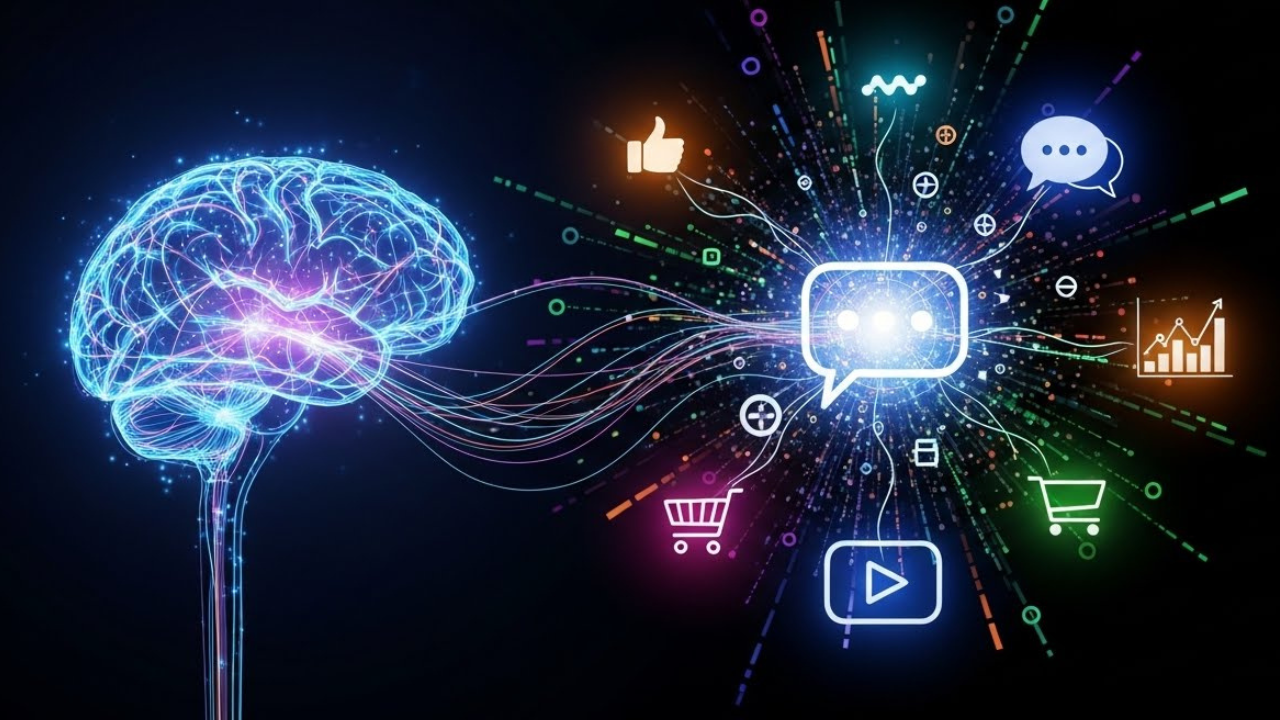
Social media has transformed the way we connect, communicate, and share moments. Among the myriad of platforms that have emerged over the years, Instagram has carved a unique niche for itself. With its visually-driven approach, it quickly became a cultural phenomenon. The rise of “i̇ns,” as many affectionately call them, has revolutionized not only how we interact online but also how brands engage with consumers.
From humble beginnings as a photo-sharing app to becoming an essential tool for influencers and businesses alike, Instagram’s evolution is fascinating. It shapes our perceptions and connections in ways we often overlook. As we delve into this vibrant world of i̇ns, we’ll explore their impact on our lives—both positive and negative—and discover what lies ahead in this ever-evolving digital landscape.
How Instagram Has Evolved Over the Years
Instagram began as a simple photo-sharing app, allowing users to capture and share fleeting moments. Its clean interface and easy navigation attracted millions of users quickly.
As the platform matured, Instagram introduced features like Stories, enabling ephemeral content that kept followers engaged in real-time. This shift encouraged more authentic connections among users.
The introduction of IGTV allowed longer videos, showcasing creators’ talents beyond static images. As video content gained traction, it pushed the boundaries of creativity on the platform.
Additionally, Instagram has embraced shopping directly within posts and stories. Users can now discover products seamlessly while browsing their feed.
With algorithm-driven personalized experiences becoming dominant, engagement metrics shifted from mere likes to meaningful interactions. The evolution continues as Instagram adapts to trends and user demands in an ever-changing digital landscape.
The Impact of Influencers on Instagram
Influencers have transformed Instagram into a powerful marketing platform. Their ability to connect with audiences has redefined brand engagement.
These digital trendsetters curate content that resonates deeply with followers. Through authentic storytelling, they build trust and credibility. Brands leverage this connection to reach targeted demographics more effectively.
Additionally, influencers often set trends themselves. A new fashion item or beauty product can go viral overnight thanks to a single post by an influencer. This instant visibility creates opportunities for both the influencers and brands involved.
Moreover, collaborations between brands and influencers are becoming increasingly strategic. They focus not just on follower count but also on audience interaction and loyalty metrics.
This dynamic relationship is reshaping advertising standards in real-time, making traditional methods feel outdated in comparison. The impact of influencers continues to evolve as social media itself changes, creating unique pathways for engagement across various niches.
The Role of Ins in Shaping Our Online Interactions
Instagram, or “i̇ns,” has fundamentally transformed how we connect online. It’s not just a platform for sharing images; it’s become a vibrant space for communication.
Through visuals and stories, users express themselves succinctly. This emphasis on imagery changes the dynamics of conversation. Emojis and GIFs add layers of meaning that text alone often cannot convey.
In this environment, likes and comments foster engagement but can also alter perceptions of self-worth. The immediate feedback loop intensifies interactions, making them feel more personal yet sometimes superficial.
Communities flourish around shared interests. Users form bonds over passion projects or lifestyle choices rather than geographical boundaries.
However, as connections deepen through likes and shares, they may lack genuine intimacy. This paradox raises questions about what truly constitutes friendship in a digital age driven by curated content.
The Dark Side of Ins: Comparison Culture and Mental Health
While Instagram offers a platform for creativity and self-expression, it also harbors a darker side. Comparison culture thrives here, with users often measuring their worth against curated lives presented in glossy squares.
Scrolling through feeds filled with perfectly styled photos can lead to feelings of inadequacy. Many find themselves questioning their own achievements or appearance when faced with others’ highlight reels. This constant comparison can chip away at self-esteem and create unrealistic standards.
The pressure to maintain an idealized image contributes to anxiety and depression among many users. Studies show increased rates of mental health issues linked directly to time spent on visual platforms like Instagram.
Understanding this dynamic is crucial for fostering healthier online interactions. It’s essential for individuals to recognize that what they see is often filtered reality rather than genuine life experiences.
How Brands Utilize Instagram for Marketing Purposes
Brands have discovered Instagram as a powerful marketing tool. They create visually appealing content that resonates with their target audience. Eye-catching images and engaging videos capture attention quickly.
Hashtags play a crucial role in expanding reach. By using relevant tags, brands connect with users who share similar interests. This increases visibility among potential customers.
Influencer partnerships are another effective strategy. Brands collaborate with popular personalities to leverage their following. Authentic endorsements can lead to higher engagement rates and trust from consumers.
Instagram Stories provide an opportunity for real-time interaction. Brands use this feature for behind-the-scenes glimpses or limited-time promotions, creating urgency and excitement.
User-generated content is also key. Encouraging customers to share their experiences builds community and fosters brand loyalty while showcasing genuine testimonials that attract new followers.
The versatility of Instagram allows brands to innovate continuously in how they engage audiences effectively.
Future Predictions for the Evolution of Ins
As we look ahead, the future of i̇ns appears vibrant and dynamic. With technological advancements, augmented reality filters will likely become mainstream. Users might soon find themselves in immersive environments where they can interact with content like never before.
Artificial intelligence could play a major role in personalizing feeds. This means tailored experiences that cater to individual preferences and behaviors may dominate the platform.
The rise of short-form video content is another trend to watch. As attention spans shrink, bite-sized videos are poised for expansion on i̇ns, reshaping how users engage with brands and influencers alike.
Moreover, social commerce is set to flourish further as businesses integrate shopping directly into posts. The seamless blend of entertainment and e-commerce will redefine purchasing behaviors online.
Increased focus on mental health features could emerge as platforms recognize their impact on user well-being. Balancing engagement with mindfulness may shape policies moving forward.
Conclusion: Embracing the Positive Aspects and Being Mindful of the Negative
As we navigate the ever-evolving landscape of i̇ns, it’s important to recognize both the benefits and challenges they present. On one hand, these platforms foster connection and creativity. They allow users to share their lives in vibrant ways and inspire others through visual storytelling.
However, the darker aspects cannot be ignored. The culture of comparison can lead to feelings of inadequacy or anxiety. It’s essential for users to practice mindfulness while engaging with i̇ns content. This means taking breaks when needed and curating feeds that promote positivity.
Brands are leveraging this powerful platform effectively, but individuals must also take charge of their interactions online. Prioritizing mental health while enjoying the richness of community is key.
The future will undoubtedly bring new features and trends within i̇ns ecosystems. Embracing innovation while staying grounded in self-awareness can lead us toward a healthier relationship with social media as a whole. Striking this balance will help ensure that our online experiences enhance rather than detract from our lives.