
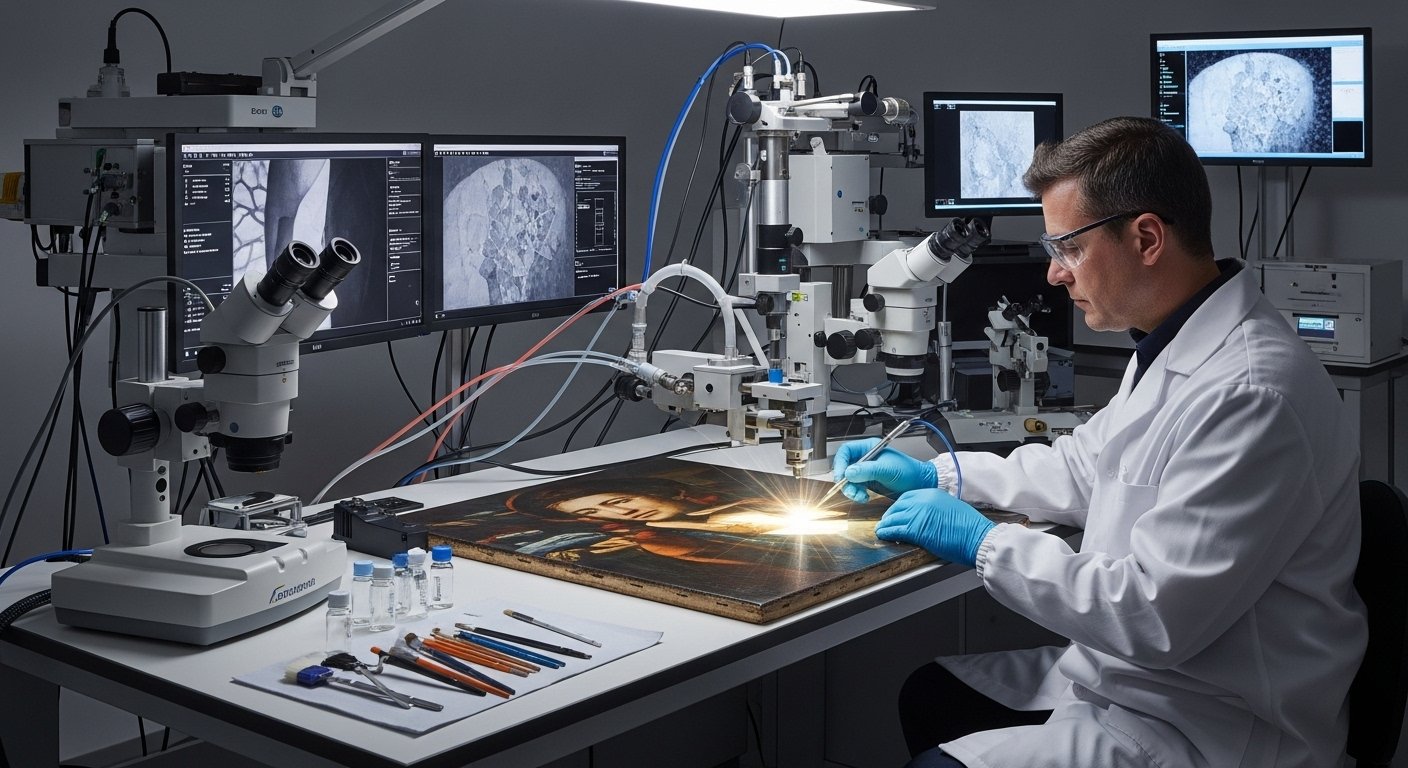
Art has the power to inspire, evoke emotions, and tell stories that span centuries. However, as time marches on, these precious works face threats from environmental factors and human intervention. Enter Jeroen Dik—a name synonymous with innovation in art conservation. With a deep passion for preserving our cultural heritage, Dik is transforming how we approach the restoration of artworks.
His journey into the world of art conservation combines science and artistry in ways that were previously unimaginable. By challenging traditional methods and embracing cutting-edge technology, he is setting new standards in this vital field. Curious about how Jeroen Dik is reshaping art preservation? Let’s dive deeper into his groundbreaking work and discover what makes him a true pioneer!
Traditional methods of art conservation and their limitations
Traditional methods of art conservation have long relied on techniques like cleaning, retouching, and varnishing. While these practices have their merits, they often fall short in addressing the complexities of modern artworks.
One significant limitation is the invasive nature of some methods. Removing old layers or applying new materials can risk damaging the original piece more than preserving it. Additionally, many traditional approaches are based on a one-size-fits-all model that doesn’t consider each artwork’s unique characteristics.
Another challenge lies in the use of chemicals and solvents. These substances can cause unintended reactions with pigments and binders over time. Such risks highlight the need for more refined processes that respect an artwork’s integrity while ensuring its longevity.
Furthermore, documentation and analysis have historically been underrepresented in conventional conservation practices. This gap has made it difficult to track changes or understand how different materials interact over years or even centuries.
The innovative techniques and technologies developed by Jeroen Dik
Jeroen Dik has introduced groundbreaking methods in the field of art conservation. His approach combines traditional craftsmanship with cutting-edge technology, leading to remarkable outcomes.
One notable innovation is the use of advanced imaging techniques. These tools allow conservators to see beneath layers of paint and understand an artwork’s history without causing damage.
Dik also emphasizes the role of nanotechnology in restoration processes. By employing nanoscale materials, he enhances durability while maintaining authenticity.
Additionally, his development of environmentally friendly solvents minimizes harm to both artworks and the environment. This responsible choice reflects a deeper understanding of sustainability in art preservation.
Through these innovations, Jeroen Dik not only restores artworks but enriches our appreciation for them by revealing their hidden narratives. Each technique serves as a bridge connecting past artistry with future generations’ understanding and enjoyment.
Case studies of successful art restorations using Dik’s methods
One remarkable case study involved a 17th-century Dutch masterpiece that had suffered from extensive fading. Jeroen Dik applied his innovative method of non-invasive imaging, revealing hidden layers beneath the surface. This approach brought back vibrant colors without compromising the original integrity.
Another project featured an ancient fresco in Italy, where traditional techniques often failed to yield satisfactory results. With his advanced cleaning solutions and careful application methods, Dik restored the artwork’s details while preserving its historical context.
His work on a famous sculpture faced with environmental damage showcased the effectiveness of using customized protective coatings developed through years of research. The sculpture emerged rejuvenated, maintaining both aesthetic appeal and structural durability.
These instances highlight how Jeroen Dik’s unique approaches transform art conservation practices, allowing for recoveries once thought impossible.
Collaborations with museums and cultural institutions around the world
Jeroen Dik’s work transcends borders, forming essential partnerships with museums and cultural institutions globally. His expertise attracts attention from prestigious galleries eager to preserve their collections.
One notable collaboration took place at the Rijksmuseum in Amsterdam. Here, Jeroen applied his innovative techniques to restore several masterpieces that had suffered wear over centuries. The results were astounding, bringing vibrancy back to works long deemed irreparable.
In addition, he has worked with institutions in Italy and France. Each project showcases unique challenges requiring tailored approaches. These experiences enrich his methods while emphasizing the importance of dialogue between art conservators and curators.
Through workshops and training sessions, Jeroen also shares his knowledge with local professionals worldwide. This fosters a community dedicated to preserving cultural heritage for future generations and shows how collaborative efforts can redefine conservation practices.
Impact on the field of art conservation and future developments
Jeroen Dik’s influence on art conservation extends far beyond his innovative techniques. His work has encouraged a shift in how institutions view preservation efforts. Traditional methods often prioritized aesthetics over the integrity of materials, but Dik’s approach emphasizes scientific analysis and sustainable practices.
As museums increasingly adopt these methodologies, they are not just restoring artworks; they’re rethinking their entire conservation strategies. This evolution fosters collaboration across disciplines, merging art history with cutting-edge technology.
Future developments promise exciting advancements as more experts embrace interdisciplinary approaches inspired by Jeroen Dik’s vision. Innovations like artificial intelligence and nanotechnology could further revolutionize the field. We may soon see tools that can assess artwork conditions instantly, allowing for proactive rather than reactive measures in preservation.
The ripple effects of his contributions will likely inspire a new generation of conservators dedicated to safeguarding our cultural heritage for years to come.
Conclusion: Jeroen Dik’s contributions to preserving our cultural heritage
Jeroen Dik’s contributions to the field of art conservation have reshaped how we approach and preserve our cultural heritage. His innovative techniques breathe new life into artworks that were once thought beyond recovery. By combining traditional practices with cutting-edge technology, he has set a new standard for restorations.
His work not only restores physical pieces but also revitalizes the stories they tell. Museums and cultural institutions benefit from his insights, allowing them to engage audiences in fresh ways. Each successful restoration highlights the importance of preserving history while embracing modern advancements.
As Jeroen continues to develop new methodologies, the future looks promising for both art conservators and enthusiasts alike. His vision ensures that masterpieces will endure for generations to come, safeguarding our artistic legacy with every brushstroke restored and color revived. The realm of art conservation is undoubtedly richer thanks to his passion and dedication.