
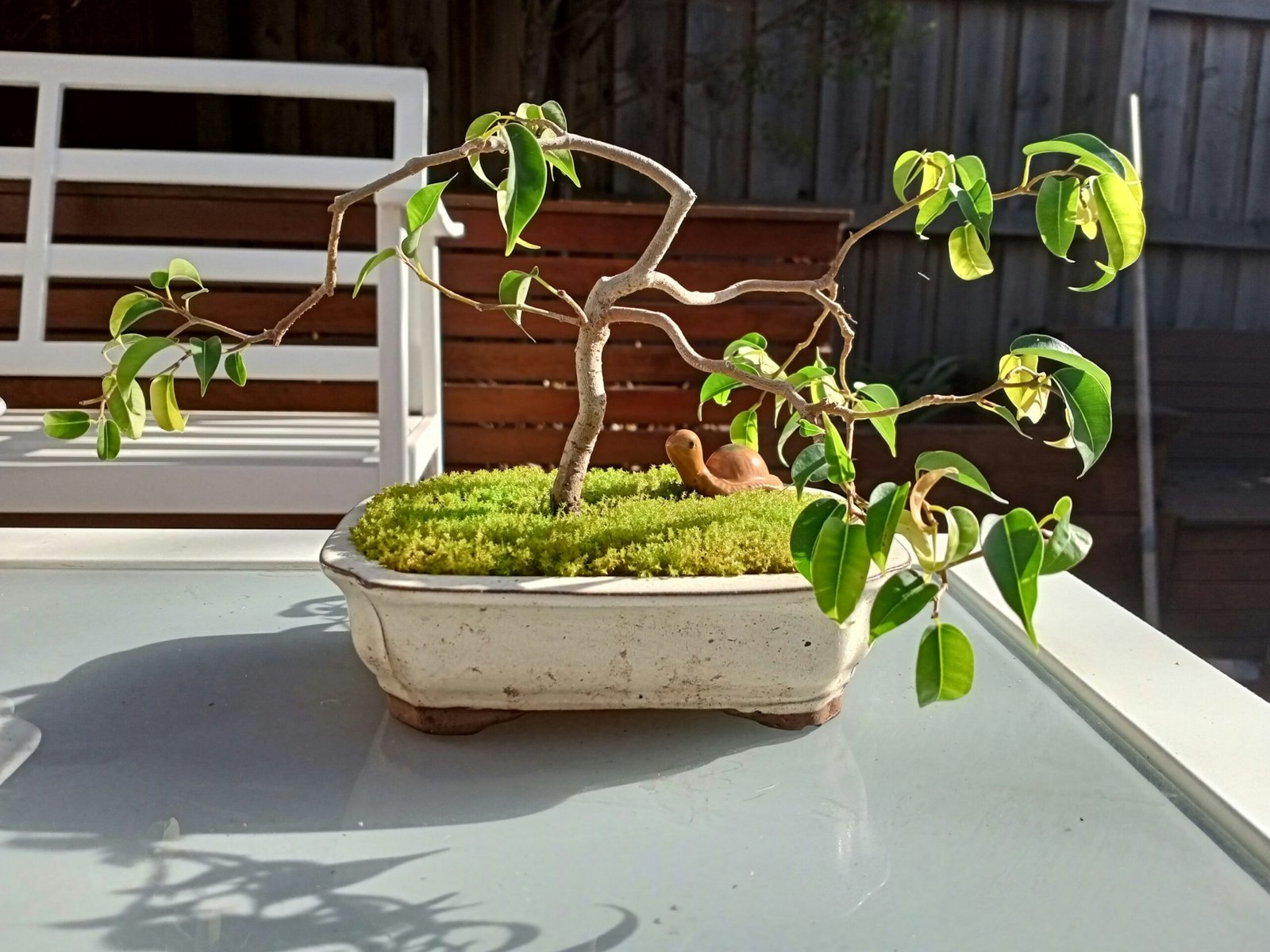
Koriandri, known for its vibrant flavor and unique aroma, is more than just a culinary herb; it’s a delightful addition to any home garden. Whether you’re an avid cook or simply enjoy the beauty of greenery, growing Koriandri can transform your space into a fragrant oasis. Imagine stepping outside to snip fresh leaves for your dishes or enjoying the lush foliage in your backyard.
Not only does this herb enhance flavors, but it also brings numerous health benefits and adds charm to your garden. Ready to dive into the world of Koriandri? Let’s explore how you can cultivate this aromatic gem right at home!
Benefits of Growing Koriandri at Home
Growing koriandri at home brings a burst of flavor to your meals. This herb adds freshness to dishes, enhancing their taste without extra calories.
Koriandri is easy to cultivate, making it perfect for beginners. You don’t need a large garden; even pots on your balcony will do the trick. It thrives indoors or outdoors, adapting well to various environments.
Beyond culinary uses, koriandri offers several health benefits too. Packed with antioxidants and nutrients, it’s known for potential digestive and anti-inflammatory properties.
Another perk? Freshness! No more relying on store-bought herbs that lose potency over time. Picking fresh leaves right from your plant elevates any dish instantly.
Plus, growing this herb can be relaxing and rewarding. Tending to plants connects you with nature and reduces stress levels remarkably.
Factors to Consider Before Starting a Koriandri Garden
Before diving into your Koriandri garden, take a moment to assess your environment. This herb thrives in warm climates, so consider the local weather patterns.
Light is another crucial element. Koriandri loves sunlight, ideally basking in at least six hours each day. Look for a spot that receives plenty of natural light.
Next, think about space and accessibility. Ensure you have enough room for your plants to grow without overcrowding. A well-organized layout can make maintenance much easier.
Don’t forget about water drainage as well. Koriandri prefers well-drained soil; standing water can cause root rot and other issues.
Consider pest management strategies early on. Understanding common pests will help you protect your herbs before they become a problem. Preparing ahead makes all the difference in creating a flourishing Koriandri garden.
Choosing the Right Location for Your Herb Garden
Choosing the right location for your Koriandri garden is essential for its success. Look for a spot that receives at least six hours of sunlight each day. Bright light helps Koriandri thrive and enhances its flavor.
Consider proximity to water sources. Easy access makes it simpler to keep the soil moist without overwatering, which can be detrimental.
Evaluate protection from harsh winds and heavy rain. A sheltered area will help maintain stability in growth and prevent damage.
Also, think about accessibility when planning your herb garden layout. You’ll want to reach your plants easily for watering, harvesting, or simply enjoying their beauty.
Ensure good drainage in the chosen area. Soil that retains too much moisture can lead to root rot and other issues with Koriandri plants.
Preparing the Soil and Planting Seeds
Preparing the soil for your Koriandri is a vital step in ensuring healthy growth. Start by choosing well-draining soil that’s rich in organic matter. You can enhance it by mixing compost or well-rotted manure into the top few inches.
Once your soil is ready, it’s time to plant seeds. Sow them about half an inch deep and space them around 12 inches apart if you’re planting multiple rows. This allows each plant enough room to flourish without competing for nutrients.
Water gently after sowing but avoid over-saturating the soil. A light misting can help keep moisture levels consistent during germination, which typically takes one to two weeks. Providing adequate sunlight is equally important; aim for at least six hours of direct sunlight daily for optimal results as they grow strong and vibrant.
Caring for Your Koriandri Plants
Caring for your Koriandri plants is essential for a bountiful harvest. These herbs thrive in well-drained soil and require consistent moisture. Water them regularly, but avoid soggy conditions.
Sunlight plays a crucial role in their growth. Aim for at least six hours of direct sunlight daily. If you notice wilting leaves, it might be time to adjust that light exposure.
Fertilization can give your Koriandri an extra boost. Use a balanced fertilizer every four to six weeks during the growing season. This helps maintain healthy foliage and robust flavor.
Watch out for pests like aphids or spider mites. They can quickly become a problem if not addressed early on. Regularly inspect the leaves and stems so you catch any issues before they escalate.
Pruning is also beneficial; snip off spent flowers to encourage more leaf growth and keep your plant looking lush and vibrant.
Harvesting and Storing Koriandri
Harvesting Koriandri is a rewarding experience. Wait until the plants are about six inches tall for the best flavor. Early morning is ideal, as this is when essential oils are most concentrated.
Use sharp scissors or pruning shears to cut the stems just above a leaf node. This encourages new growth, allowing you to enjoy multiple harvests throughout the season.
If you’re not using your freshly harvested Koriandri right away, it’s important to store it properly. Rinse gently in cool water and pat dry with a towel. You can wrap it in damp paper towels and place it inside a plastic bag in the fridge for up to two weeks.
For longer storage, consider drying or freezing your Koriandri. Hang bunches upside down in a dark, well-ventilated area until completely dried or chop and freeze it in ice cube trays with olive oil for easy use later on.
Creative Ways to Use Koriandri in Cooking and Beyond
Koriandri, known for its vibrant flavor, can elevate countless dishes. Try adding fresh leaves to a zesty salsa or guacamole for an extra kick.
Infuse your soups and stews with koriandri to deepen the taste profile. A handful of chopped leaves stirred in just before serving brings freshness that transforms the dish.
Don’t overlook drinks! Blend koriandri into smoothies or use it as a garnish for cocktails like mojitos. It adds an unexpected twist that will impress guests.
For those who enjoy baking, incorporate dried koriandri seeds into bread dough or savory pastries. They provide aromatic notes that complement various ingredients.
Explore non-culinary uses by making homemade herbal infusions or oils infused with this herb’s essence. Its unique aroma can enhance candles and potpourris too, bringing nature indoors in creative ways.
Conclusion
Growing Koriandri at home can be a rewarding experience, both for your culinary adventures and your gardening skills. With its vibrant flavor and versatile uses, this herb adds a unique touch to countless dishes. By considering the right location, preparing the soil well, and caring for your plants diligently, you’ll cultivate healthy Koriandri that thrives in your garden.
As you enjoy harvesting fresh leaves and exploring creative recipes with this herb, you’ll find that nurturing Koriandri is not just about growing an ingredient—it’s about connecting with nature and enhancing your cooking journey. Whether you’re sprinkling it on tacos or using it in sauces, the flavors of freshly grown Koriandri will elevate your meals like never before. Dive into the joys of herb gardening today!