
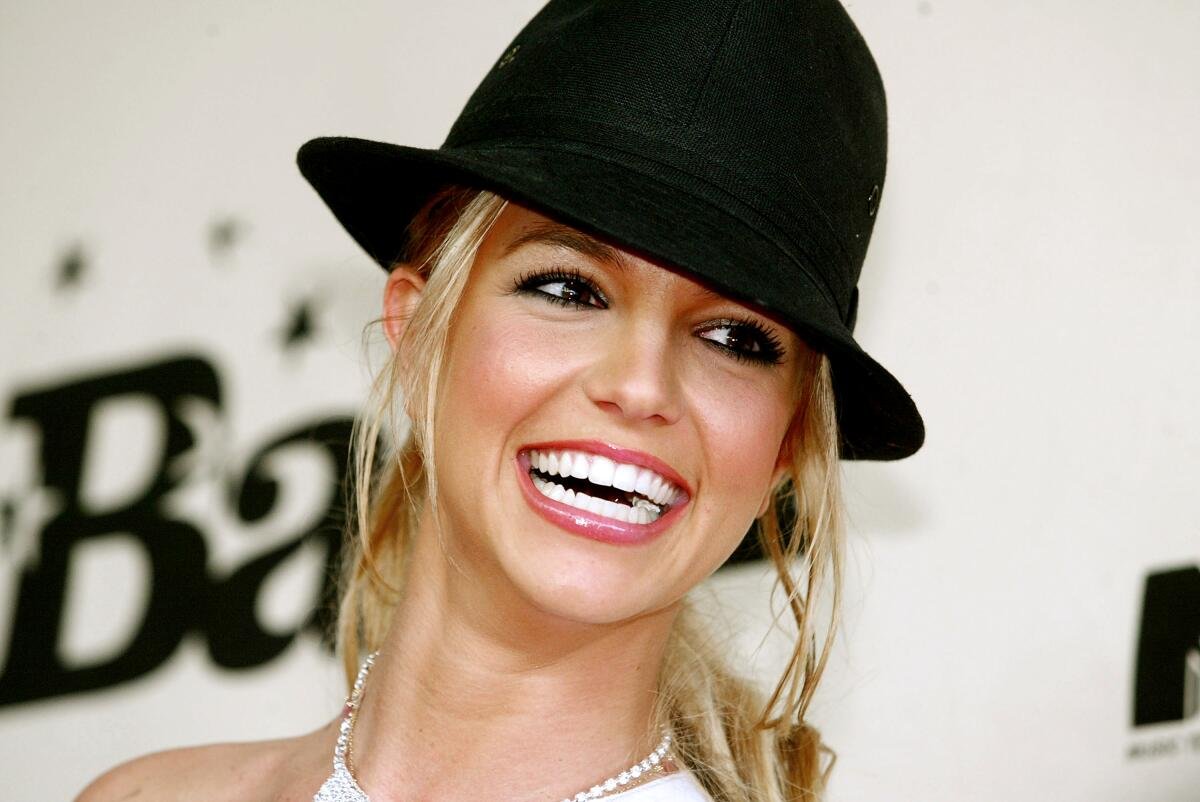
Britney Spears is one of the most influential pop stars of all time, a name that defined an entire generation of music, fashion, and celebrity culture. From her explosive rise in the late 1990s to her deeply public struggles and eventual fight for independence, her journey reflects both the glamour and the harsh realities of fame.
This is the story of a girl from Mississippi who became a global superstar, faced intense media pressure, lost control over her personal life, and later inspired millions through resilience and comeback efforts.
Early Life and Rise to Fame
Britney Spears was born in 1981 in McComb, Mississippi, and raised in Kentwood, Louisiana. From a very young age, she showed strong talent in singing and dancing. She participated in local talent shows and performed in church choirs, quickly standing out for her stage presence.
At just 8 years old, she auditioned for The Mickey Mouse Club, but was initially considered too young. However, her determination paid off, and she joined the show later as a teenager. Alongside future stars like Justin Timberlake and Christina Aguilera, Britney gained early exposure to entertainment and performance.
Her big break came in 1998 when she signed with Jive Records. At just 16 years old, she released her debut single “…Baby One More Time,” which became a global phenomenon. The song topped charts in multiple countries, and the music video—featuring her iconic schoolgirl outfit—became one of the most recognizable visuals in pop history.
The debut album of the same name sold millions of copies worldwide, instantly making Britney a global superstar.
Becoming a Pop Culture Phenomenon
In the early 2000s, Britney Spears was not just a singer—she was a cultural force. Her follow-up albums like Oops!… I Did It Again and Britney cemented her status as the “Princess of Pop.”
She dominated MTV, magazine covers, and award shows. Her performances were known for their energy, choreography, and bold visuals. One of her most famous moments was the 2001 MTV Video Music Awards performance where she performed with a snake wrapped around her shoulders, symbolizing her fearless stage persona.
During this time, Britney was also heavily covered by tabloids. Her relationship with Justin Timberlake, public image, and personal life became constant media topics. The pressure of fame at such a young age started to take a toll.
Personal Struggles and Media Pressure
As Britney’s fame grew, so did the scrutiny around her personal life. Every move she made was followed by paparazzi. Her relationships, appearance, and behavior were often harshly judged by the media.
In the mid-2000s, she went through a series of highly publicized personal challenges, including her divorce from Kevin Federline and custody battles over her children. During this period, she was constantly followed by photographers, and her mental health struggles became public entertainment for tabloids.
One of the most widely discussed moments in pop culture history occurred in 2007, when Britney shaved her head and had public incidents that raised concerns about her well-being. These events marked a turning point in her life and career.
Conservatorship Era
In 2008, following her public struggles, Britney Spears was placed under a legal arrangement called a conservatorship. This meant that her personal life, finances, and career decisions were controlled by legal guardians.
The conservatorship was initially presented as a temporary measure to protect her, but it lasted for more than a decade. During this time, Britney continued performing, releasing music, and even completed successful Las Vegas residencies, proving her strong work ethic and stage presence.
However, over time, questions began to rise about how much control she truly had over her life. Fans and supporters started a global movement known as #FreeBritney, demanding transparency and questioning whether the conservatorship was necessary or fair.
The movement grew massively on social media, turning into a global conversation about celebrity rights, mental health, and legal control.
The Fight for Freedom
In 2021, Britney finally spoke publicly in court about her experience under the conservatorship. Her testimony shocked the world as she described feeling trapped, controlled, and unable to make basic decisions about her life.
Shortly after, the court suspended her father’s role as conservator, and the conservatorship was officially terminated later that year. This moment was seen as a major victory not only for Britney but also for her supporters who had campaigned for years.
For many, it marked a powerful example of reclaiming personal freedom after years of legal and emotional struggle.
Life After Conservatorship
After gaining independence, Britney Spears began a new phase of her life. She focused more on personal freedom, spending time with family, traveling, and sharing her thoughts directly with fans through social media.
She also became more vocal about her experiences, mental health, and the challenges of fame. Her posts often reflected a desire for peace, healing, and privacy after years of intense public exposure.
Although she stepped away from large-scale performances for a while, her influence in the music industry remained strong. Her songs continued to be streamed globally, and her legacy as a pop icon stayed intact.
Comeback and Cultural Impact
Britney’s story is not just about music—it is about resilience. Even during her struggles, her influence on pop culture never faded. Many modern artists cite her as an inspiration for performance style, music videos, and stage presence.
Her impact includes:
- Redefining pop performance in the late 90s and 2000s
- Setting trends in fashion and music videos
- Influencing a new generation of female pop artists
- Sparking global discussions about mental health and celebrity rights
Her career is often studied as an example of both the power and pressure of fame in the modern entertainment industry.
Legacy of Britney Spears
Today, Britney Spears remains a symbol of strength, survival, and transformation. She is not only remembered for her chart-topping hits but also for her ability to endure public scrutiny and still emerge with her identity intact.
Her legacy includes songs like “…Baby One More Time,” “Toxic,” and “Oops!… I Did It Again,” which continue to define pop music history. Beyond music, her story has become a lesson in the importance of mental health awareness, legal protection, and media responsibility.
Conclusion
Britney Spears’ journey is one of the most dramatic and influential stories in modern entertainment. From a teenage pop sensation to a global superstar, from personal struggles to legal battles, and finally to freedom and self-redefinition—her life reflects both the beauty and cost of fame.
She remains a cultural icon whose influence goes far beyond music. Her story continues to inspire conversations about independence, resilience, and the importance of reclaiming one’s own life.
Britney Spears is not just a pop star—she is a symbol of survival in the spotlight.