
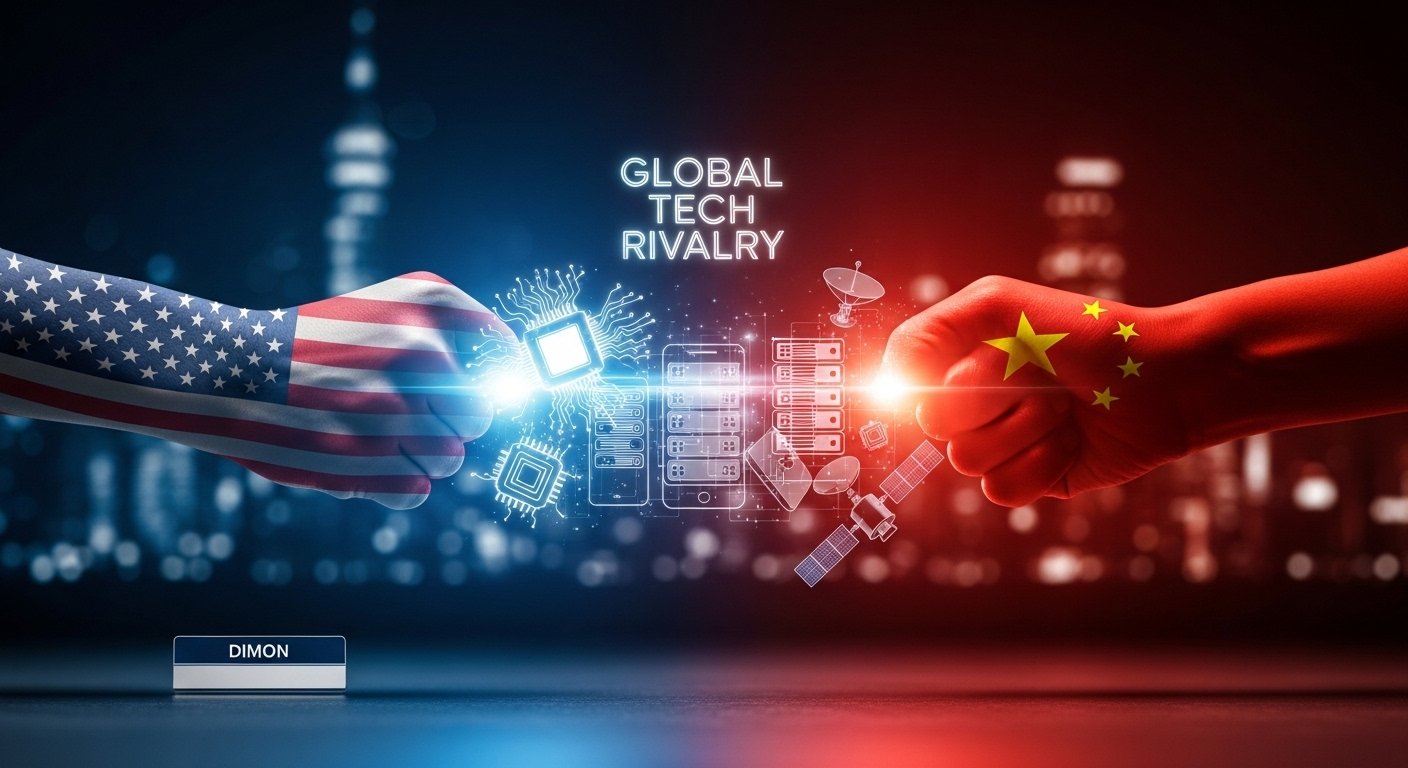
The world is watching as the US and China engage in an intense technology rivalry that could redefine the global landscape. This competition isn’t just about who has the latest gadget or fastest internet; it’s a battle for economic supremacy, innovation leadership, and geopolitical influence. From artificial intelligence to 5G networks, both nations are pouring resources into technological advancements with far-reaching implications. As this contest heats up, stakeholders around the globe must brace themselves for its impact on economies, industries, and everyday life. Buckle up; we’re diving deep into the dynamics of this high-stakes race known as the US-China technology competition!
The impact of this rivalry on the global economy
The US-China technology competition significantly reshapes the global economy. As both nations vie for supremacy, their decisions ripple through markets worldwide.
Investment patterns are shifting. Companies are becoming more cautious, reassessing where to allocate resources. This uncertainty can stall innovation and growth in various sectors.
Supply chains also face pressure as firms navigate tariffs and regulations stemming from this rivalry. Many businesses are rethinking their strategies to avoid disruptions or sanctions that may arise from geopolitical tensions.
Additionally, countries outside of the US and China watch closely. They often find themselves caught between two giants, influencing their own tech policies in response.
This dynamic creates both challenges and opportunities globally. Emerging economies could seize a chance to innovate or adapt existing technologies while established markets reassess competitive advantages amidst rising costs and changing alliances.
Key players in the tech industry from both countries
The tech landscape in the US is dominated by giants like Apple, Google, and Microsoft. These companies are not just leaders; they shape global trends and consumer behavior. Their innovation drives advancements in artificial intelligence, cloud computing, and mobile technologies.
On the other hand, China boasts powerhouse firms such as Huawei, Alibaba, and Tencent. These entities excel in telecommunications, e-commerce, and social media platforms. They have expanded rapidly within their domestic markets while making strides internationally.
Both countries benefit from a competitive environment that fuels creativity. However, this rivalry often leads to contrasting philosophies about data privacy and user rights. The approaches taken can influence how technology evolves on both sides of the Pacific.
Investors closely monitor these players as they adapt to market demands while navigating regulations imposed by their respective governments. Each company’s strategy has implications that resonate far beyond borders.
Advancements and innovations in technology from the US and China
The tech landscape is evolving rapidly, with both the US and China leading the charge in groundbreaking advancements.
In America, companies like Google and Tesla are pushing boundaries in artificial intelligence and electric vehicles. Their innovations not only reshape industries but also inspire global trends.
Meanwhile, China’s tech giants such as Huawei and Alibaba are making significant strides in telecommunications and e-commerce. 5G technology from Huawei promises to revolutionize connectivity worldwide.
Both nations are investing heavily in research and development. This ensures a steady flow of creativity that fuels competition on a global scale.
From quantum computing to renewable energy solutions, breakthroughs emerge almost daily. Each country’s unique approach contributes distinct flavors to the technological tapestry we see today.
As this rivalry heats up, we can expect more dramatic shifts that will influence how we interact with technology moving forward.
Government involvement and regulations in the tech industry
Government involvement in the tech industry is a double-edged sword. It can foster innovation but also create hurdles.
In the US, regulations often focus on data privacy and antitrust issues. Agencies like the FTC are scrutinizing big tech companies for monopolistic practices. This proactive approach aims to protect consumers while ensuring competitive markets.
Meanwhile, China’s government takes a more hands-on approach. The state implements strict controls over technology firms, emphasizing cybersecurity and national security. Companies must navigate these regulations carefully or face significant consequences.
This landscape complicates how companies operate globally. They must remain agile to adapt to shifting regulatory frameworks in both countries.
Maintaining compliance with local laws while pursuing innovation presents unique challenges for businesses operating internationally. Balancing growth opportunities against regulatory risks requires strategic foresight from stakeholders involved in the US-China technology competition.
Effects on international relations and trade agreements
The US-China technology competition has significant implications for international relations. As both countries vie for dominance, alliances are being tested and formed anew. Nations must choose sides or risk economic repercussions.
Trade agreements are becoming increasingly complex due to this rivalry. Tariffs on tech goods fluctuate as governments seek leverage over each other. With restrictions on exports of advanced technologies, companies face uncertainty about market access.
Countries that rely heavily on either the US or Chinese tech ecosystem find themselves in a precarious position. Their choices can affect diplomatic ties and economic stability.
Emerging markets often navigate these waters carefully. They might align with one superpower while hoping to maintain relationships with the other, striving for balanced growth amid competition’s shadow.
These dynamics create a volatile atmosphere where cooperation becomes challenging yet essential for global progress in technology and trade.
Potential consequences for consumers and businesses
The US-China technology competition significantly impacts consumers and businesses alike. As tensions rise, companies may face increased costs due to tariffs and restrictions on technological imports. This could lead to higher prices for everyday products.
Businesses might also struggle with supply chain disruptions. Many tech firms rely on components made in both countries. Any move towards isolationism can create uncertainty, forcing companies to rethink their sourcing strategies.
For consumers, innovation might stall as resources become scarce or redirected toward national interests rather than market demands. This stagnation could limit access to the latest advancements.
Moreover, privacy concerns are heightened amid this rivalry. With different regulations emerging from each government, data security becomes a pressing issue for users globally.
The landscape is shifting rapidly; staying informed will be vital for both consumers and businesses navigating this complex environment.
Strategies for companies to navigate this competition
To thrive in the US China technology competition, companies must adopt a proactive approach. Diversification is key. By expanding operations into emerging markets, businesses can reduce reliance on either superpower.
Investing in research and development is crucial. Innovation not only creates competitive advantages but also fosters resilience against geopolitical tensions. Companies should prioritize collaboration with local firms to navigate regulatory landscapes effectively while gaining insights into consumer preferences.
Agility remains essential. Firms need to adapt swiftly to changing market dynamics and technological trends. This flexibility allows them to pivot strategies as needed without significant losses.
Building strong relationships with government entities can provide strategic advantages too. Engaging in dialogue about policies helps align corporate goals with national interests, ensuring smoother operations amid rivalry.
Embracing transparency enhances trustworthiness among consumers and partners alike, solidifying reputations during uncertain times.
Future outlook and predictions
The future of the US-China technology competition is poised for dramatic shifts. Both nations are investing heavily in artificial intelligence, quantum computing, and clean energy technologies. This race will likely spur groundbreaking innovations that can reshape industries.
China’s focus on self-sufficiency may lead to accelerated developments in tech infrastructure. Meanwhile, the US might enhance its collaborative efforts with allies like Japan and South Korea to strengthen its position.
Regulatory frameworks will play a crucial role in shaping this landscape. Stricter regulations could emerge on both sides, impacting how companies operate globally.
Consumer preferences will also evolve as new technologies enter the market. Increased demand for sustainable solutions might drive both countries toward greener innovations.
As tensions fluctuate, we could see unexpected partnerships or collaborations between firms from either side aiming to leverage shared interests while navigating geopolitical challenges. The dynamics of competition will continuously adapt based on technological advancements and policy decisions.
Conclusion
The ongoing US China technology competition, as highlighted by figures like Jamie Dimon, is reshaping the global landscape. This rivalry not only affects innovation and advancements but also impacts international relations and trade dynamics. With key players from both nations pushing the boundaries of what’s possible in tech, the stakes have never been higher.
As companies navigate this complex environment, understanding government regulations and market trends will be crucial for success. The strategic decisions made today could determine which nation emerges as a leader in technology tomorrow.
Consumers and businesses alike must stay informed about these developments. The ripple effects of this competition will undoubtedly influence pricing strategies, product availability, and technological access across borders.
Looking forward, it’s clear that adaptability will be essential. Companies that can pivot quickly while keeping an eye on geopolitical shifts may find opportunities amidst challenges. As we move ahead into this uncertain future, one thing remains certain: the US China technology competition is far from over; its implications are just beginning to unfold.