
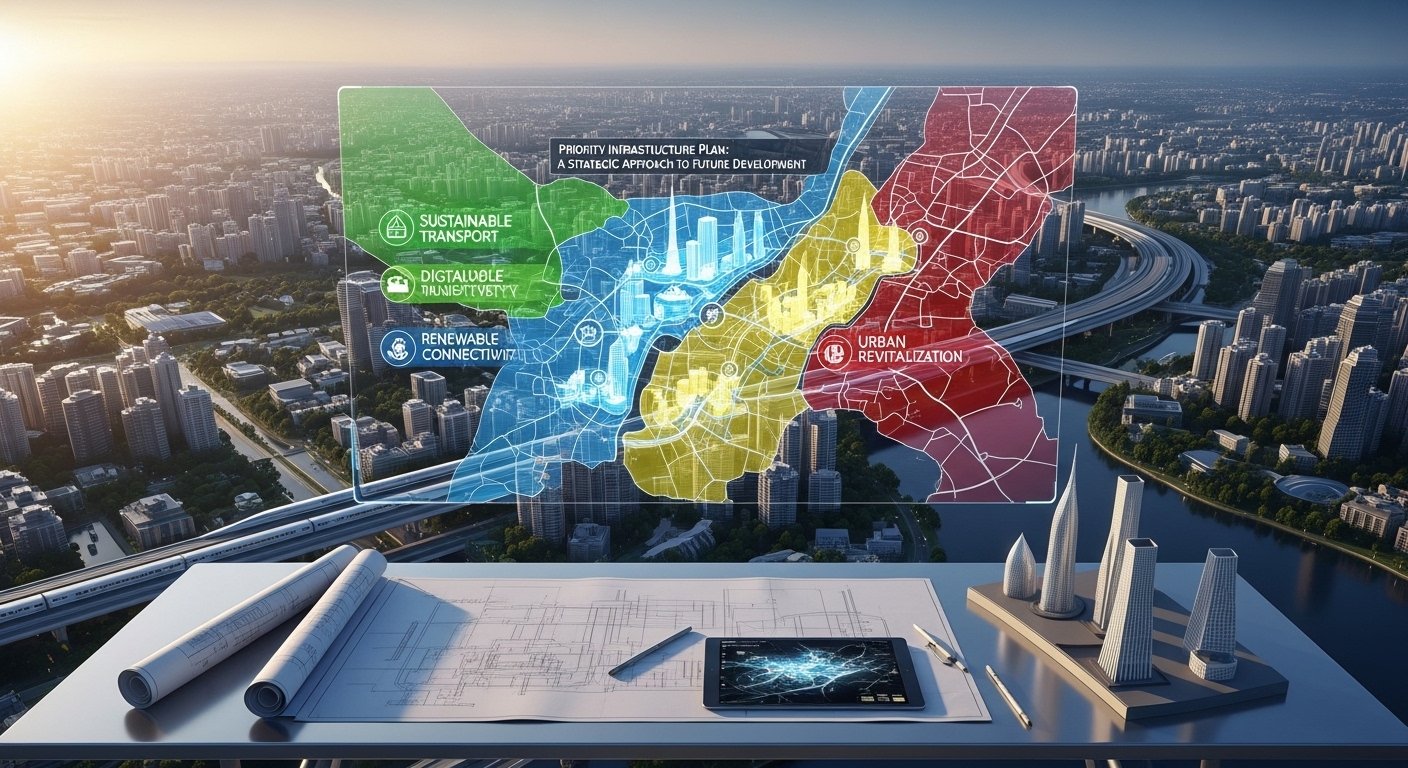
As cities grow and populations expand, the demand for efficient infrastructure becomes increasingly pressing. Enter the Priority Infrastructure Plan (PIP), a strategic tool designed to ensure that communities can thrive amidst rapid change. This proactive approach not only addresses current needs but also anticipates future challenges, paving the way for sustainable development.
Imagine living in a city where roads are well-maintained, public transport is reliable, and essential services are readily accessible. A PIP makes this vision possible by prioritizing crucial projects that enhance quality of life while boosting economic resilience. As we delve deeper into what constitutes a Priority Infrastructure Plan, you’ll discover how it serves as both a roadmap and a catalyst for growth—benefiting everyone from local residents to business owners.
Join us on this exploration of how PIPs are shaping our urban landscapes and fostering smarter growth strategies for generations to come.
What is a Priority Infrastructure Plan (PIP)?
A Priority Infrastructure Plan (PIP) is a strategic framework designed to identify and prioritize essential infrastructure projects within a community or region. It acts as a guiding document that outlines the most critical needs for development, ensuring resources are allocated wisely.
The PIP focuses on various sectors, including transportation, water supply, energy, and public facilities. By analyzing existing conditions and future demands, it highlights projects that can significantly impact economic growth and quality of life.
This plan serves multiple stakeholders—government agencies, businesses, and residents—all working toward shared goals. With clear priorities set in place, decision-makers can create more efficient budgets while responding effectively to emerging challenges.
A well-crafted PIP transforms visions into actionable plans that pave the way for sustainable progress in urban planning and community development.
Importance of PIP in Planning for Future Development
A Priority Infrastructure Plan (PIP) plays a critical role in shaping the future of communities. It serves as a roadmap for essential investments that align with local needs and growth forecasts.
With urbanization on the rise, strategic planning becomes crucial. A well-crafted PIP helps identify infrastructure gaps and prioritizes projects that enhance connectivity, accessibility, and overall quality of life.
Moreover, having a clear plan attracts investment. Investors seek regions with defined development strategies. By showcasing commitment to infrastructure improvement through a PIP, communities can draw both public and private funding.
Additionally, implementing a PIP fosters collaboration among stakeholders. Local governments, businesses, and residents benefit from unified efforts toward common goals; this collective approach enhances project outcomes while building trust within the community.
Investing time in developing an effective PIP ensures sustainable progress for generations to come.
Components of a PIP
A Priority Infrastructure Plan (PIP) consists of several key components that work together to ensure effective development.
First, data collection plays a critical role. Gathering relevant information about current infrastructure, demographics, and economic trends lays the foundation for informed decisions.
Next is stakeholder engagement. Involving community members, businesses, and government agencies fosters collaboration and ensures diverse perspectives are considered.
Prioritization is another essential element. Identifying which projects will have the most significant impact helps allocate resources effectively.
Additionally, strategic planning outlines specific goals and timelines for each project. This clarity allows stakeholders to stay aligned throughout the implementation process.
Monitoring and evaluation systems must be in place to assess progress continually. Regular reviews help adapt strategies as needed while ensuring accountability among all parties involved.
Identifying Priority Infrastructure Projects
Identifying priority infrastructure projects requires a comprehensive approach. Stakeholders must first assess community needs. Engaging with local residents, businesses, and government agencies is essential.
Data analysis plays a crucial role in this process. By examining population growth trends, economic forecasts, and existing infrastructure conditions, planners can pinpoint areas that require immediate attention.
Additionally, environmental sustainability should be considered. Projects that promote green spaces or renewable energy sources often yield long-term benefits for both the community and the planet.
Public input is invaluable during prioritization. Workshops or surveys allow citizens to voice their concerns and preferences regarding future developments. This collaborative effort fosters trust among stakeholders.
Aligning projects with broader regional goals enhances their importance. Infrastructure investments should support economic development plans while addressing social equity issues within communities.
Funding and Financing Options for PIPs
Funding a Priority Infrastructure Plan can be complex but crucial for its success. Various financing options exist to support these vital projects.
Public funding often plays a key role. Governments allocate budgets for infrastructure through grants and direct investments. This ensures essential services are prioritized.
Private investment is another avenue worth exploring. Partnerships with the private sector can bring in additional resources and expertise, making projects more viable.
Loans from financial institutions also provide significant capital. They allow local governments to undertake large-scale initiatives without immediate tax increases on residents.
Moreover, innovative solutions like public-private partnerships (PPPs) have gained traction. These arrangements share risks and rewards between public entities and private firms, ultimately benefiting communities while managing costs effectively.
Community involvement in fundraising efforts can stimulate grassroots support and engagement, fostering a sense of ownership over local developments.
Case Studies of Successful PIP Implementation
Cities around the world have embraced Priority Infrastructure Plans with impressive results. One notable example is Melbourne, Australia. The city implemented a PIP to enhance its public transport system. By prioritizing crucial rail and tram upgrades, they significantly reduced congestion and improved connectivity for residents.
Another successful case can be seen in San Diego, California. Here, local authorities focused on water sustainability projects within their PIP. They introduced innovative stormwater management systems that not only preserved resources but also minimized flooding risks during heavy rains.
In Singapore, the government’s emphasis on smart infrastructure through its PIP has transformed urban living spaces. With advanced technology integrated into public services, citizens now enjoy efficient waste management and energy consumption.
These examples illustrate how tailored strategies within a Priority Infrastructure Plan can lead to remarkable enhancements in urban functionality and quality of life.
Benefits of PIP for Communities and Economies
A Priority Infrastructure Plan (PIP) brings numerous advantages to both communities and economies. Enhanced infrastructure fosters better connectivity, which can lead to increased business opportunities.
Communities benefit from improved public services like transportation, utilities, and healthcare facilities. This enhances the quality of life for residents and makes areas more attractive for new families and businesses.
Economic growth is driven by well-planned infrastructure investments. They create jobs during construction phases and stimulate local economies through ongoing operations.
Moreover, a PIP often prioritizes sustainability efforts. Incorporating eco-friendly practices leads to long-term cost savings while ensuring environmental protection.
Investments in technology within a PIP also pave the way for smart cities. This innovation promotes efficiency in energy use and waste management, making urban living more sustainable.
Effective planning boosts community engagement as it involves residents in decision-making processes about their environment.
Challenges and Considerations in Developing a PIP
Developing a Priority Infrastructure Plan presents unique challenges. One major hurdle is stakeholder engagement. Balancing the needs of local communities, businesses, and government bodies can be complex.
Another consideration lies in data collection. Accurate demographic and geographic information is crucial for identifying priorities. Insufficient data may lead to misinformed decisions that fail to address genuine needs.
Budget constraints also play a significant role. Resources are often limited, making it essential to prioritize projects effectively without compromising quality or community impact.
Environmental sustainability must not be overlooked either. Integrating eco-friendly practices into infrastructure development requires careful planning and execution.
Adapting to changing regulations adds another layer of complexity. Keeping up with policy updates while ensuring compliance can strain project timelines and budgets alike. Each of these factors demands thoughtful strategies for successful PIP implementation.
Conclusion: The Role of PIPs in Building Sustainable, Resilient,
The importance of a Priority Infrastructure Plan extends far beyond mere construction projects. It serves as a roadmap for communities looking to enhance their resilience against challenges like climate change, population growth, and economic shifts. By prioritizing critical infrastructure needs, local governments can create a sustainable future that supports both current residents and future generations.
A well-executed PIP fosters collaboration among various stakeholders, ensuring that the voices of community members are heard and integrated into planning processes. This collaborative approach not only promotes transparency but also enhances public trust in government initiatives.
Moreover, with successful case studies showcasing effective implementations across diverse regions, it’s clear that these plans can lead to tangible benefits such as improved transportation systems, upgraded utilities, and enhanced public spaces. Such developments contribute significantly to quality of life while driving economic growth.
As cities evolve and face new challenges on the horizon, having a robust Priority Infrastructure Plan becomes an essential tool for navigating uncertainties. The emphasis on sustainability allows communities to adapt more readily while maintaining environmental integrity.
The role of PIPs is crucial in shaping vibrant ecosystems where economies thrive alongside healthy living conditions for all citizens. Prioritizing infrastructure today sets the stage for resilient societies equipped to tackle whatever comes next.