
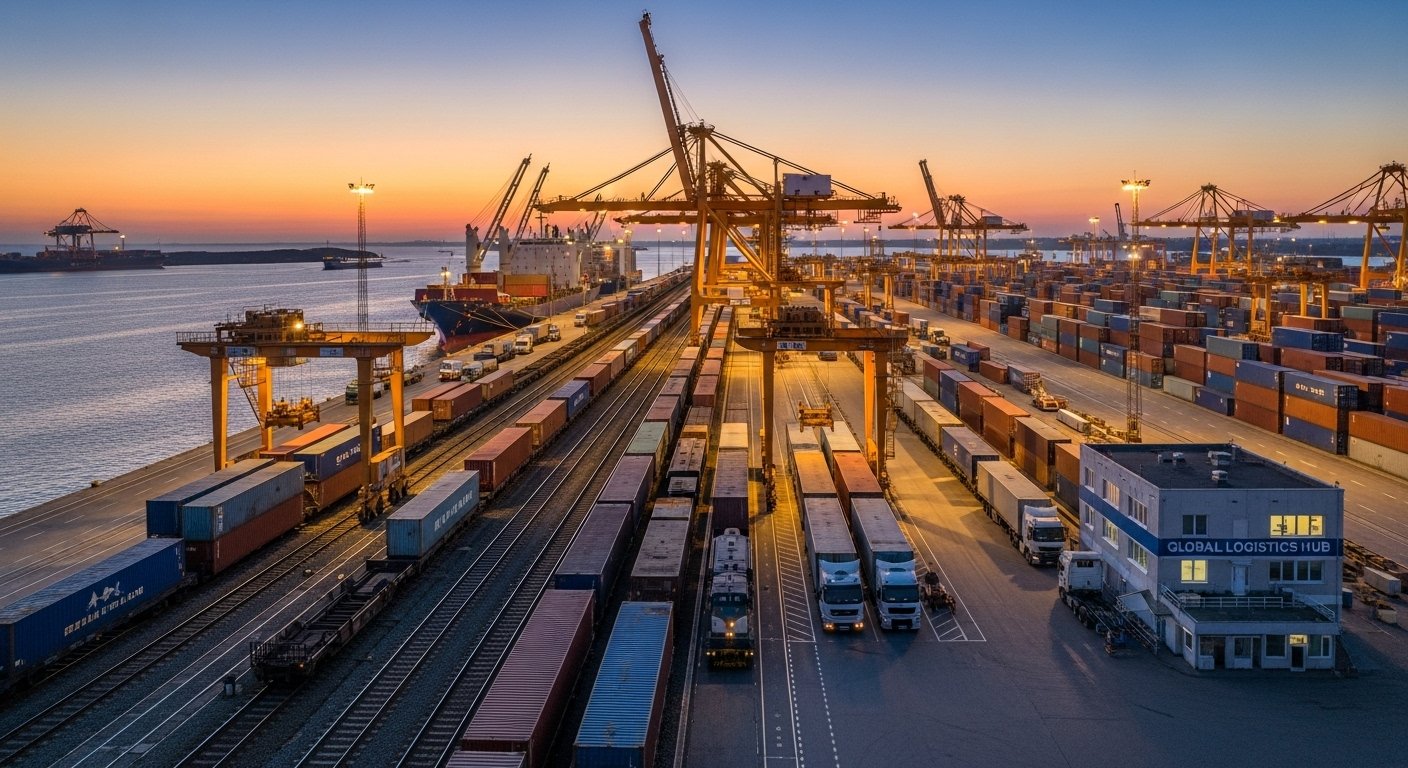
In today’s fast-paced logistics landscape, the efficient transfer of cargo between different modes of transport is more crucial than ever. Enter private freight terminals—a game-changer in the transportation industry. These specialized facilities streamline the process, ensuring that goods move seamlessly from trucks to trains or ships and vice versa. With growing demands for speed and efficiency, private freight terminals are stepping into the spotlight as vital hubs for businesses aiming to optimize their supply chains. But what exactly makes these terminals so essential? Let’s dive into the world of private freight terminals and explore their benefits, operations, and future potential in revolutionizing cargo transfers.
Benefits of Private Freight Terminals
Private freight terminals offer numerous advantages that can significantly enhance logistics operations. First, they provide dedicated facilities tailored to specific business needs. This customization leads to increased efficiency in cargo handling.
Another benefit is reduced congestion at public ports and terminals. By utilizing private freight terminals, companies can bypass bottlenecks, ensuring faster transfers between transport modes.
Cost savings also play a crucial role. Private operators often streamline operations to minimize delays and reduce overall expenses associated with shipping and receiving goods.
Additionally, these terminals allow for better control over inventory management. Businesses can maintain tighter schedules and monitor shipments more effectively.
The flexibility of private freight terminals means they can adapt quickly to changing market demands or unexpected disruptions. This responsiveness helps businesses remain competitive in a fast-paced environment where timing is everything.
How Private Freight Terminals Work
Private freight terminals operate as pivotal junctions in the logistics chain. These facilities allow for seamless transfers between different transport modes, such as trucks, trains, and ships.
When cargo arrives at a private terminal, it is typically unloaded from one mode of transport and sorted based on its final destination. Advanced logistical systems ensure that each package is directed to the correct outbound vehicle swiftly.
Specialized equipment plays a significant role here. Forklifts, conveyor belts, and automated guided vehicles move goods efficiently through the terminal. This minimizes delays and increases throughput.
Communication among various transportation providers enhances coordination. Real-time tracking systems provide visibility into cargo movement. As a result, businesses can monitor their shipments closely and adjust plans dynamically if needed.
By streamlining these processes, private freight terminals not only enhance efficiency but also reduce overall transportation costs for companies relying on multi-modal shipping solutions.
The Role of Technology in Optimizing Cargo Transfers
Technology plays a pivotal role in enhancing the efficiency of private freight terminals. Automated systems streamline cargo handling, reducing loading and unloading times dramatically.
Real-time tracking solutions offer visibility into shipments at every stage. This transparency allows stakeholders to make informed decisions quickly, minimizing delays associated with lost or misplaced goods.
Data analytics helps identify bottlenecks within the transfer process. By analyzing patterns over time, terminal operators can implement targeted improvements that enhance overall performance.
Additionally, integration with Internet of Things (IoT) devices facilitates better communication between transport modes. Sensors and smart equipment provide valuable insights on cargo conditions during transit.
Robotics is also making waves in this industry. From automated forklifts to drones for inventory management, technology continues to transform how cargo transfers are executed at these terminals.
Case Studies: Success Stories of Private Freight Terminals
Private freight terminals have transformed the logistics landscape, and several success stories highlight their impact.
One notable example is a terminal in Texas that streamlined operations between rail and truck services. By integrating an advanced scheduling system, they reduced cargo transfer times by 30%. This efficiency led to increased customer satisfaction and repeat business.
Another case involves a facility on the West Coast specializing in perishable goods. They adopted temperature-controlled storage solutions that improved product quality during transfers. As a result, they saw a significant reduction in spoilage rates.
In the Midwest, a private terminal focused on intermodal shipping reported impressive growth after enhancing its digital tracking capabilities. Clients could now monitor shipments in real time, fostering transparency and trust.
These examples illustrate how private freight terminals not only optimize operations but also create value for businesses across various sectors.
Challenges and Solutions for Private Freight Terminals
Private freight terminals face various challenges that can hinder their efficiency. Regulatory compliance is a significant hurdle. Navigating local, state, and federal regulations can be complex and time-consuming.
Another challenge lies in infrastructure limitations. Many terminals struggle with outdated facilities that cannot accommodate modern cargo handling requirements. Upgrading these infrastructures requires substantial investment.
Labor shortages also pose a problem. Finding skilled workers who understand the intricacies of freight operations is increasingly difficult in a competitive job market.
To address these issues, collaboration between private operators and government entities is essential. This partnership can lead to improved regulatory frameworks and funding for infrastructure upgrades.
Implementing advanced technology solutions streamlines operations too. Automation in cargo transfer processes minimizes human error while enhancing speed.
Investing in training programs will ensure the workforce remains adept at meeting industry demands as well. These strategies pave the way for efficient terminal operations despite existing challenges.
Conclusion: The Future of Private Freight Terminals and the Transportation Industry
Private freight terminals are rapidly reshaping the landscape of the transportation industry. As businesses increasingly seek efficiency, these facilities serve as critical hubs for seamless cargo transfers between various transport modes. The integration of advanced technology and data analytics further enhances their capabilities, making it easier to monitor operations and optimize logistics.
The future looks promising. With an ever-growing demand for faster delivery times and reduced operational costs, private freight terminals will play a pivotal role in meeting those expectations. Their strategic locations enable companies to streamline supply chains while minimizing delays.
Moreover, sustainability will become a focal point. As environmental concerns rise, private freight terminals have the potential to adopt greener practices such as electric vehicles or renewable energy sources. This shift could attract businesses looking to enhance their eco-friendly credentials.
Continual advancements in automation and AI also suggest that these terminals will only become more efficient over time. By embracing innovation, they can improve inventory management and reduce human error in cargo handling.
As we move forward, it’s clear that private freight terminals stand at the forefront of enhancing connectivity within global trade networks. They represent not just logistical solutions but also opportunities for economic growth across industries. Embracing this evolution is essential for stakeholders aiming to thrive in an increasingly competitive market.