
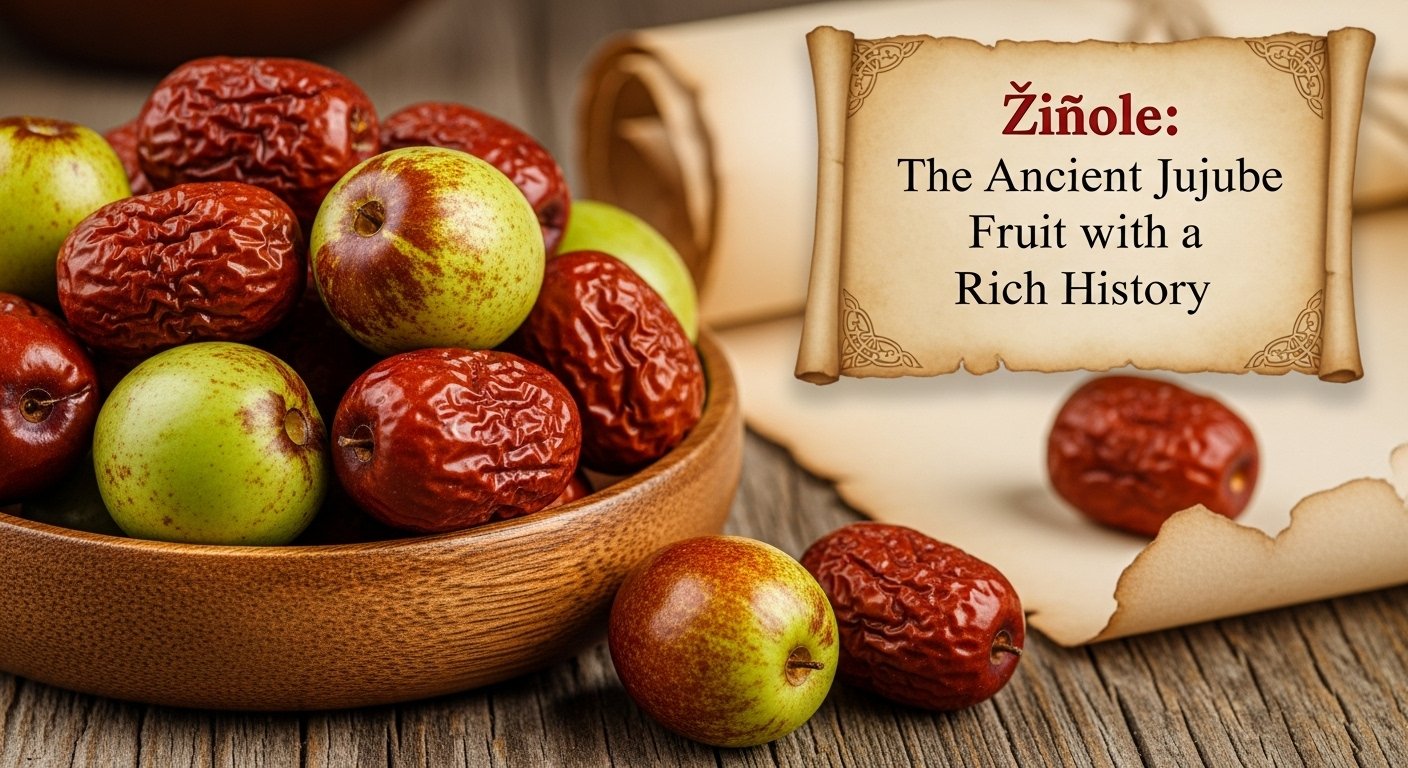
Nestled in the heart of ancient traditions, Žižole, or jujube fruit, has woven its way through history as both a culinary delight and a symbol of resilience. This small yet mighty fruit boasts an intriguing past that dates back thousands of years. Revered in various cultures for its unique flavor and remarkable health benefits, Žižole is more than just a tasty treat. It’s a testament to how nature can nurture our bodies and spirits alike.
Imagine biting into this sweet fruit, reminiscent of caramel with hints of apple—an experience that connects you to generations before us who have savored its goodness. As we delve deeper into the enchanting world of Žižole, you will discover not only its historical roots but also why incorporating it into your life today might be one of the best decisions you make for your health and palate. Let’s embark on this flavorful journey together!
Origin and cultural significance of the Žižole fruit
The Žižole fruit, or jujube, has a fascinating origin rooted in ancient civilizations. Believed to have originated in China more than 4,000 years ago, it quickly spread across Asia and into the Mediterranean region.
Throughout history, cultures have revered Žižole for its resilience and adaptability. In traditional Chinese medicine, it is celebrated as a symbol of good luck and vitality. Ancient texts mention its use not only as food but also for medicinal purposes.
In many parts of the Middle East, Žižole holds cultural significance during harvest festivals. It’s often associated with abundance and prosperity—a staple in both culinary traditions and folklore.
This humble fruit has woven itself into countless rituals over centuries. Its presence can be felt in art forms that reflect agricultural practices tied closely to local identities.
Nutritional value and health benefits of the fruit
Žižole is not just a delightful fruit; it’s also packed with nutritional benefits. Rich in vitamins C and E, this ancient jujube provides essential antioxidants that help combat oxidative stress.
The fruit is low in calories yet high in fiber, making it an excellent option for digestion. Regular consumption can aid gut health and promote regular bowel movements.
Moreover, Žižole boasts minerals like potassium and iron. Potassium supports heart health by regulating blood pressure, while iron plays a crucial role in oxygen transport within the body.
Interestingly, studies suggest that Žižole may have calming properties as well. It has traditionally been used to alleviate anxiety and improve sleep quality due to its natural sedative effects.
Incorporating Žižole into your diet could enhance overall well-being while providing delicious flavor.
Traditional uses and medicinal properties of Žižole
Žižole, or jujube fruit, has been cherished for centuries in various cultures. Traditionally, it is known for its calming effects. Many people consume the dried fruit to alleviate stress and promote better sleep.
In herbal practices, the leaves and bark of the Žižole tree are often used in teas and tinctures. These preparations are believed to support digestive health and boost immunity.
Beyond its soothing properties, Žižole is also celebrated for its rich antioxidant content. This makes it a popular choice among those seeking natural ways to enhance overall wellness.
Many ancient remedies include Žižole as a treatment for respiratory issues. The fruit’s natural compounds may help relieve coughs and soothe sore throats.
Its versatility extends beyond culinary uses into traditional medicine, showcasing how this humble fruit has woven itself into the fabric of cultural healing practices throughout history.
Culinary uses and popular dishes featuring Žižole
Žižole offers a delightful flavor profile that enhances various culinary creations. This ancient fruit can be eaten fresh, providing a sweet and chewy snack that’s perfect for on-the-go munching.
In many cultures, Žižole is used in jams and jellies, capturing its rich sweetness in spreads. The preservation of this fruit allows for enjoyment year-round, making breakfast toast or pastries even more special.
Soups and stews also benefit from the addition of Žižole. Its unique taste brings depth to savory dishes while balancing spices beautifully.
Some innovative chefs incorporate dried Žižole into salads or grain bowls for an unexpected twist. Their caramel-like flavor pairs well with nuts and greens.
For dessert lovers, Žižole can star in cakes or tarts, adding both texture and moisture. This versatile fruit proves it has a place across all courses!
How to grow and harvest Žižole
Growing Žižole, or jujube fruit, requires a sunny spot in your garden. These hardy trees thrive in well-drained soil and can tolerate drought conditions once established.
Start with seeds or young plants. If using seeds, soak them overnight to improve germination rates. Plant them about 1 inch deep in the spring after the last frost.
Water regularly during the first year to help establish roots. After that, minimal watering is needed unless there’s an extended dry spell.
Harvesting Žižole is simple. The fruits turn from green to a rich brown when ripe and are ready for picking in late summer to early fall. Gently twist or pull the fruits off the branches; they should come off easily when fully ripe.
Enjoy these delicious fruits fresh, dried, or incorporated into various recipes straight from your own garden!
Where to find Žižole and its availability in modern markets
When it comes to finding Žižole in modern markets, your options may vary based on location. This ancient fruit has recently started to gain popularity due to its numerous health benefits and rich history. Local farmers’ markets are excellent places to check for fresh Žižole, especially during the harvest season.
You might also find dried or processed forms of Žižole in specialty grocery stores and health food shops. Online retailers have begun offering this unique fruit as well, making it easier than ever to include it in your diet.
Culinary enthusiasts can explore various sources for quality Žižole products, from jams and jellies to snacks made with this nutrient-packed fruit. As interest grows around superfoods and traditional ingredients, it’s likely that more mainstream outlets will start stocking Žizole.
Whether you’re looking for fresh fruits or innovative culinary uses, keeping an eye out at local markets and online can lead you right to this historical gem. Embracing Żižole not only connects us with a rich cultural heritage but also introduces us to delightful flavors and nutritional benefits worth savoring.