
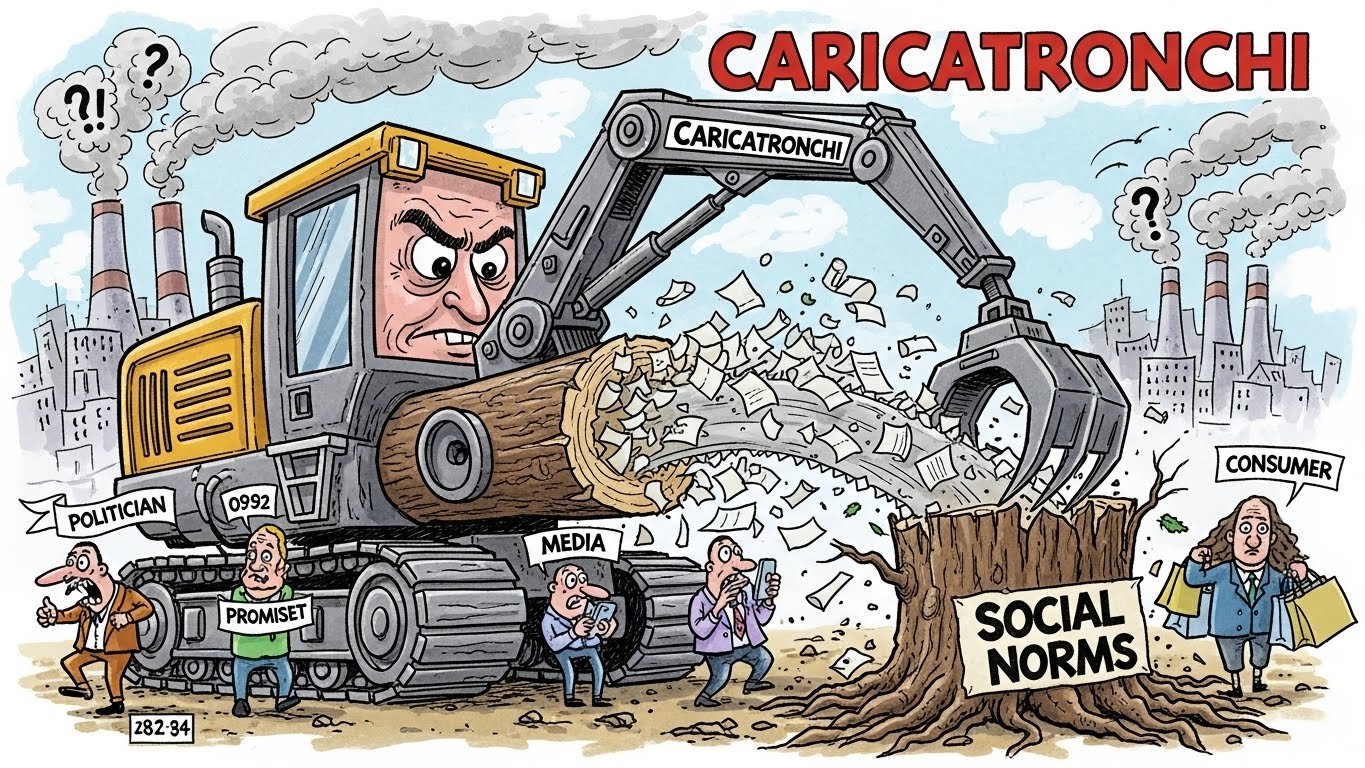
Caricatronchi is more than just a buzzword; it’s a powerful tool that shapes our understanding of society and politics. In an era where information overload can leave us feeling overwhelmed, these unique caricatures offer sharp insights wrapped in humor. With their exaggerated features and clever commentary, caricatronchi distill complex issues into digestible art forms that provoke thought and laughter alike.
But how did this vibrant form of expression emerge? And what impact does it have on the way we perceive social issues today? Join us as we delve deep into the fascinating world of caricatronchi—a realm where satire meets social commentary, illuminating truths hidden beneath layers of irony.
History of Caricatures and Political Cartoons
Caricatures have a rich history that dates back centuries. They emerged as humorous and often exaggerated depictions of people, particularly in politics. This art form allowed artists to comment on societal issues, using wit and satire.
Political cartoons gained prominence in the 18th century during the Age of Enlightenment. Artists like James Gillray and George Cruikshank used their craft to criticize political leaders and social norms. Their work resonated with the public, making complex ideas more accessible.
As technology evolved, so did caricatures. The invention of lithography made it easier to reproduce these illustrations widely. Newspapers became platforms for political commentary through cartoonists’ sharp insights.
Through wars and revolutions, caricaturists remained influential voices. They captured moments in time while provoking thought about power dynamics, justice, and human folly—a legacy that continues today with modern caricatronchi.
The Rise of Caricatronchi in Social Commentary and Satire
The rise of caricatronchi has transformed the landscape of social commentary. These exaggerated caricatures capture the essence of issues, making them accessible and relatable to a broad audience.
In an age where information overload is common, visual satire through caricatronchi cuts through the noise. Artists use humor and absurdity to highlight societal flaws, engaging viewers in critical conversations they might otherwise avoid.
Social media has played a significant role in this evolution. Platforms allow artists to share their work instantly, reaching global audiences with just one click. This immediacy enhances both impact and relevance.
New voices are emerging within this art form. Diverse perspectives enrich discussions on politics, culture, and identity. Each artist brings unique interpretations that challenge conventional narratives while promoting dialogue among communities.
As these vibrant creations gain traction, they remind us that laughter can be a powerful tool for reflection and change.
Examples of Notable Caricatronchi Artists and Their Work
Caricatronchi has given rise to a vibrant community of artists who wield humor and critique with precision. One standout is the renowned cartoonist, Clara Vescovi. Her work brilliantly captures societal absurdities, often using exaggerated features to highlight political hypocrisy.
Another influential figure is Marco Ricci. His satirical take on contemporary issues resonates widely, making complex topics accessible through visual storytelling. Each stroke conveys deep meanings while provoking laughter.
Then there’s Lina Morales, whose poignant caricatures address social justice themes. She blends artistry with activism, challenging viewers to reflect on pressing matters.
These artists and their distinctive styles show how caricatronchi transcends mere entertainment; it sparks conversations that matter in our society today. Their ability to blend wit with insight ensures that they leave an indelible mark on cultural discourse.
The Power and Controversy of Caricatronchi
Caricatronchi wield a significant power in shaping public opinion. Their sharp wit and visual artistry capture complex social issues with ease. This makes them an effective medium for commentary.
However, this power comes with controversy. Many times, the subjects of Caricatronchi face harsh criticism or backlash. Political leaders and celebrities often find themselves at the center of heated debates sparked by these illustrations.
The line between humor and offense can be thin. Some argue that Caricatronchi cross boundaries, while others defend their right to free expression. The debate around them ignites conversations about ethics in art.
Moreover, audiences react differently based on personal beliefs and cultural backgrounds. For some, Caricatronchi are a refreshing take on serious matters; for others, they provoke discomfort or anger.
This dynamic keeps conversations alive regarding morality in satire and its impact on society as a whole.
How Caricatronchi is Changing the Landscape of Social Commentary
Caricatronchi is redefining how we engage with social issues. Through bold illustrations and sharp humor, these caricatures create a unique lens for commentary that resonates deeply with audiences.
In a world filled with noise, Caricatronchi cuts through the clutter. Artists use exaggeration to highlight absurdities in politics and society, making complex topics accessible to everyone.
Social media has amplified their reach. A single image can go viral within hours, sparking discussions far beyond traditional platforms. This immediacy connects communities and ignites conversations that might otherwise remain stagnant.
Moreover, Caricatronchi challenges power structures by holding figures accountable. Such art doesn’t just entertain; it provokes thought and inspires action among viewers who may feel disenfranchised or overlooked.
As artists push boundaries and explore new styles, they are not just mirroring reality but also shaping it—inviting audiences to reflect on their own roles in society’s narrative.
Conclusion: The Future of Caricatronchi in Society
The future of Caricatronchi in society holds immense potential. As we navigate an increasingly complex world, the role of caricatures and satire becomes ever more crucial. With technology advancing rapidly, artists have new tools at their disposal to amplify their voices.
Social media continues to serve as a powerful platform for Caricatronchi. Artists can reach wider audiences with their work, bringing attention to pressing issues often overlooked by mainstream media. This democratization of art means that anyone can participate in the dialogue through creative expression.
As political climates shift globally, so too will the themes explored through Caricatronchi. The style will likely evolve alongside societal changes, reflecting new challenges and triumphs faced by communities worldwide.
Moreover, educational institutions are beginning to recognize the importance of teaching satire and social commentary as part of contemporary discourse. This could lead to a resurgence in interest among younger generations who wish to engage critically with the world around them.
Caricatronchi is not just an artistic endeavor; it’s a vital component of public conversation that encourages critical thinking and reflection on our shared human experience. Its ability to provoke thought while entertaining ensures it remains relevant in both cultural discussions and personal reflections for years to come.