
In the ever-evolving landscape of technology and innovation, organizations rely heavily on specialized roles to maintain their competitive edge. One such pivotal position is that of a Chief Technical Examiner. This role goes beyond mere oversight; it embodies a blend of technical expertise, strategic vision, and leadership acumen. As industries face new challenges and opportunities brought about by rapid technological advancements, the Chief Technical Examiner emerges as a key player in steering organizations toward success.
But what does it truly mean to be a Chief Technical Examiner? What skills are necessary for excelling in this demanding position? And how can one navigate the complexities of this role effectively? Dive into this comprehensive exploration to uncover the multifaceted responsibilities and expectations placed upon these vital professionals. You may just find insights that resonate with your own career aspirations or organizational needs.
What is expected from a Chief Technical Examiner?
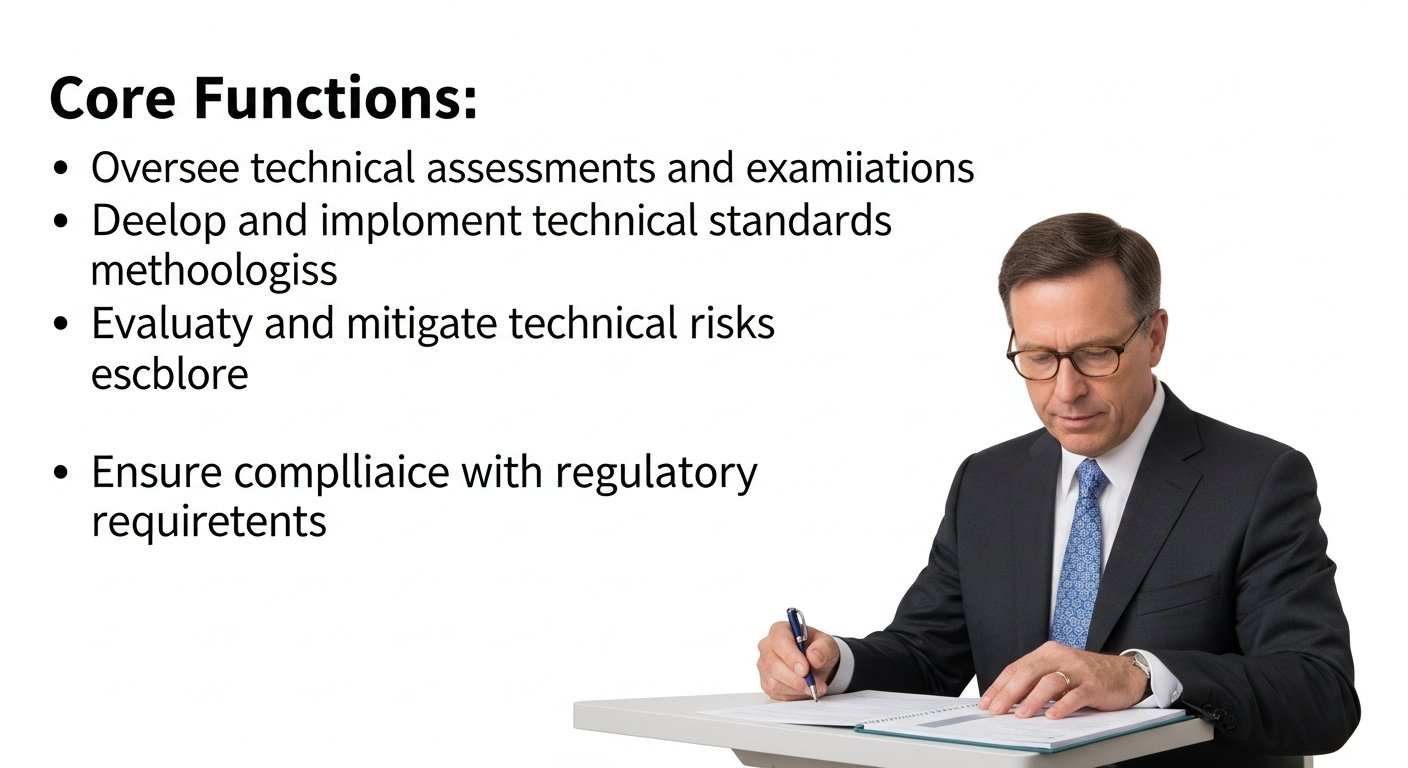
A Chief Technical Examiner is expected to ensure rigorous standards in technical evaluations. This includes reviewing complex documentation and assessing compliance with regulatory requirements.
They must provide expert insights that guide decision-making processes. Their analysis should help align technical assessments with organizational goals.
Moreover, a Chief Technical Examiner is responsible for mentoring junior examiners. They need to foster an environment of continuous learning and improvement within the team.
Collaboration is key. Working closely with other departments enhances the quality of evaluations and supports cross-functional projects.
They are often called upon to present findings to stakeholders, making clarity and precision essential in their communication efforts.
Key skills and qualifications required for the position
A Chief Technical Examiner needs a strong foundation in technical knowledge. A degree in engineering, computer science, or a related field is often essential. Advanced certifications can further enhance credibility.
Analytical skills are crucial for success. The ability to evaluate complex data and troubleshoot issues allows examiners to make informed decisions quickly.
Experience in project management is important as well. Leading teams through various phases of evaluation requires not just technical prowess but also the capacity to keep projects on schedule.
Interpersonal skills can’t be overlooked either. Collaborating with diverse teams and stakeholders demands effective communication and active listening abilities.
Adaptability plays a key role in this position. The tech landscape shifts rapidly, so staying updated with emerging trends and technologies is vital for any Chief Technical Examiner seeking to remain relevant and effective.
The importance of communication and leadership in the role
Effective communication is pivotal for a Chief Technical Examiner. This role often involves liaising between technical teams and upper management. Clear articulation of complex technical jargon into understandable language ensures everyone stays aligned.
Leadership qualities are equally vital. A Chief Technical Examiner must inspire confidence in their team while guiding them through intricate projects. This requires not just directing but also actively listening to team members’ insights and concerns.
Moreover, fostering an inclusive environment encourages innovation. When employees feel valued and heard, they contribute more freely to discussions about solutions or improvements.
Trust is built through transparency in decision-making processes, enhancing collaboration across departments. The ability to communicate effectively paired with strong leadership can drive significant progress in any organization’s technical endeavors.
Challenges faced by Chief Technical Examiners
Chief Technical Examiners encounter numerous challenges in their roles. One significant hurdle is staying updated with rapid technological advancements. The tech landscape evolves quickly, demanding continuous learning and adaptability.
Another challenge lies in managing diverse teams of specialists. Coordinating efforts among various departments often leads to communication gaps and misalignment on project goals. This can hinder overall productivity and innovation.
Additionally, Chief Technical Examiners must navigate complex regulatory environments. Compliance with industry standards requires meticulous attention to detail while ensuring that technical operations remain efficient.
Time management also poses a significant challenge. With pressing deadlines and multiple projects in play, prioritizing tasks effectively becomes essential yet difficult.
The pressure of decision-making weighs heavily on these professionals. Their choices directly impact organizational success, necessitating both confidence and careful consideration amidst uncertainty.
Strategies for success as a Chief Technical Examiner
Success as a Chief Technical Examiner hinges on adaptability. Embracing change in technology and methodologies helps keep skills sharp and relevant.
Developing strong relationships within the organization promotes collaboration. Building a network of trusted colleagues encourages knowledge sharing and support during complex projects.
Prioritizing continuous education is essential. Attending workshops, conferences, or pursuing advanced certifications enhances expertise and broadens perspectives.
Utilizing data-driven decision-making can elevate performance. Analyzing trends not only improves processes but also ensures reliability in examinations conducted.
Staying organized plays a pivotal role in managing workload effectively. Implementing robust systems for tracking progress aids in meeting deadlines while maintaining quality standards.
Cultivating mentorship skills fosters growth within teams. Guiding junior examiners nurtures talent and strengthens the overall capability of the examination unit.
Conclusion: The crucial role of a Chief Technical Examiner in modern organizations
The role of a Chief Technical Examiner is pivotal in today’s fast-paced, technology-driven landscape. As organizations increasingly rely on advanced technologies and complex systems, the expertise brought by these professionals cannot be overstated. They ensure that technical standards are met and maintained, safeguarding the integrity of products and services.
With strong communication skills, they bridge gaps between technical teams and stakeholders. Their leadership influences project outcomes significantly while fostering innovation within their teams. Yet, it isn’t without challenges; navigating evolving technologies requires adaptability and strategic foresight.
For those aspiring to this position or currently serving as Chief Technical Examiners, embracing continuous learning is key. Staying ahead means not just understanding current trends but anticipating future shifts in technology.
The Chief Technical Examiner plays an essential role in aligning technological capabilities with organizational goals. Their work supports quality assurance and drives operational excellence—making them invaluable assets to any modern organization.