
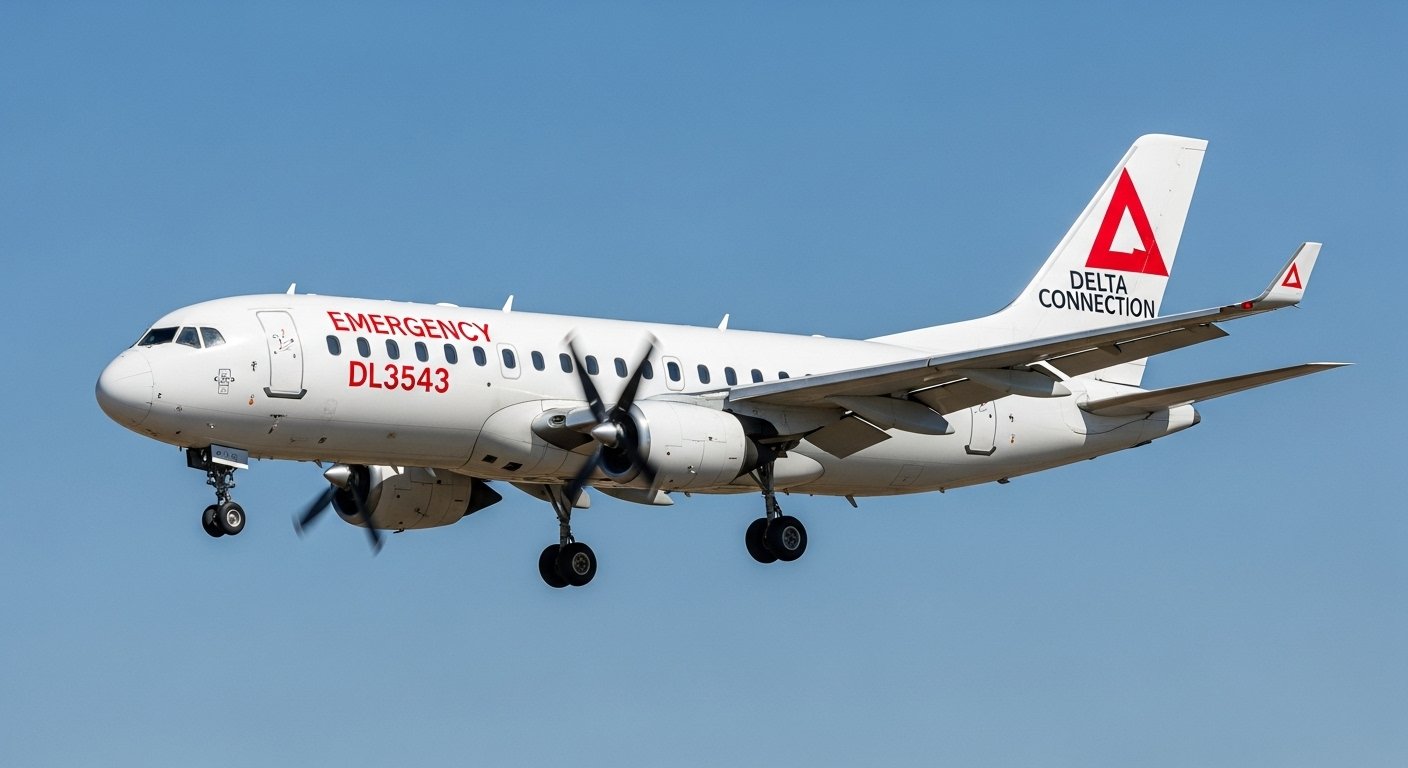
In the world of air travel, safety is paramount. But when things go awry, as they did with Delta Connection DL3543, it captures immediate attention. Onlookers and passengers alike held their breath as the plane made an emergency landing, sparking a mix of concern and curiosity about what transpired in the skies. This incident not only highlights the complexities of aviation but also raises questions about preparedness and response in times of crisis. Let’s dive into what happened during this flight and explore its implications for airline safety moving forward.
What Happened During the Flight?
Delta Connection flight DL3543 took off smoothly, carrying passengers from Columbus to New York City. However, the calm skies soon transformed into a situation that would require quick thinking and action.
Mid-flight, pilots reported unusual engine behavior. The aircraft began experiencing vibrations that raised alarms in the cockpit. Communication with air traffic control became crucial as they assessed the issue.
Within minutes, crew members initiated emergency protocols. Passengers were informed of the potential need for an unscheduled landing. Tension mounted in the cabin while everyone remained hopeful for a safe resolution.
The decision was made to return to Columbus due to safety concerns. Pilots managed a controlled descent, showcasing their training and experience during this unexpected crisis. As they approached the airport, passengers braced themselves for what lay ahead.
Response from Delta Airlines and Federal Aviation Administration (FAA)
Following the emergency landing of Delta Connection DL3543, both Delta Airlines and the Federal Aviation Administration (FAA) responded promptly.
Delta Airlines expressed their commitment to passenger safety. They ensured that all onboard received immediate assistance upon landing. The airline communicated openly with affected travelers, providing updates and support during this unsettling experience.
The FAA launched an investigation into the incident as part of standard protocol. Their goal is to determine any underlying issues that may have contributed to the emergency situation. This thorough examination aims to enhance future safety measures across all airlines.
Public statements from both entities emphasized transparency throughout the process. Maintaining trust is essential for passengers who rely on air travel daily. Cooperation between Delta and regulatory bodies reinforces a culture of accountability within aviation safety practices.
Passengers’ Experience and Impact on Flight Safety
Passengers aboard Delta Connection DL3543 faced an unexpected ordeal during their journey. The sudden emergency landing created palpable tension within the cabin. Many reported feelings of anxiety and fear, grappling with uncertainty about what would happen next.
As the aircraft descended rapidly, flight attendants worked diligently to maintain calm among travelers. Their training kicked in as they provided reassurance and clear instructions. Passengers later expressed gratitude for the crew’s professionalism during such a stressful situation.
This incident also sparked conversations about flight safety protocols among passengers once safely on the ground. Many shared stories of how preparedness can significantly influence outcomes in emergencies, highlighting a collective desire for even stricter safety measures across all airlines.
Such experiences remind everyone that while flying is generally safe, vigilance and thorough preparation are crucial components of aviation culture. Each incident prompts reflection on existing practices and encourages constant improvement in passenger care and safety standards.
Comparison to Past Incidents Involving Delta Airlines
Delta Airlines has had its share of incidents over the years, reflecting both the challenges and complexities of air travel. Looking back at past events allows for a better understanding of how safety protocols have evolved.
One notable incident occurred in 2016 when Delta Flight 1288 made an emergency landing due to smoke in the cockpit. That event highlighted gaps in communication and prompted a review of operational procedures.
Another significant moment was during massive technology outages in August 2016, which disrupted flights worldwide. While not directly related to safety, passenger reactions underscored the importance of robust contingency plans.
These cases demonstrate that while Delta has faced hurdles, each situation has contributed valuable lessons. The airline’s ongoing commitment to improving processes reflects awareness that every incident shapes future responses and enhances overall aviation safety standards.
Importance of Emergency Preparedness and Training for Airline Crews
Emergency preparedness is crucial in aviation. Airline crews face unpredictable situations that require quick thinking and decisive action.
Training programs focus on various scenarios, from mechanical failures to medical emergencies. These exercises help ensure that crew members know their roles and responsibilities under pressure.
Regular drills simulate real-life incidents, allowing teams to practice communication and coordination. This type of preparation builds confidence among the crew, which can be vital during actual emergencies.
Additionally, staying updated with safety protocols mitigates risks significantly. Airlines must prioritize refresher courses to maintain high standards of readiness.
Crew members equipped with knowledge not only enhance passenger safety but also contribute to overall operational efficiency. Their ability to remain calm can make a significant difference in critical moments.
Conclusion: Lessons Learned and Future Considerations
The Delta Connection DL3543 emergency landing serves as a pivotal moment in the ongoing conversation about airline safety and preparedness. The incident highlighted not only the importance of effective communication between pilots, crew, and air traffic control but also underscored the critical need for rigorous training protocols for all personnel involved.
Passengers’ reactions to such emergencies can vary greatly. While some may feel shaken or anxious, others often appreciate the professionalism displayed by flight crews during crises. This particular event has sparked discussions among frequent flyers regarding their personal safety measures while traveling.
Looking forward, airlines must take these incidents seriously and continuously evaluate their emergency procedures. Investing in advanced training programs will equip crews with the skills needed to respond swiftly to unforeseen challenges. Furthermore, federal agencies like the FAA play an essential role in shaping regulations that enhance overall aviation safety standards.
The lessons learned from Delta Connection DL3543 should be integral to future strategies within the industry. As technology advances and passenger numbers rise, prioritizing safety through preparation remains paramount. Airlines that acknowledge these factors will likely foster trust among travelers while navigating potential hurdles ahead in aviation history.