
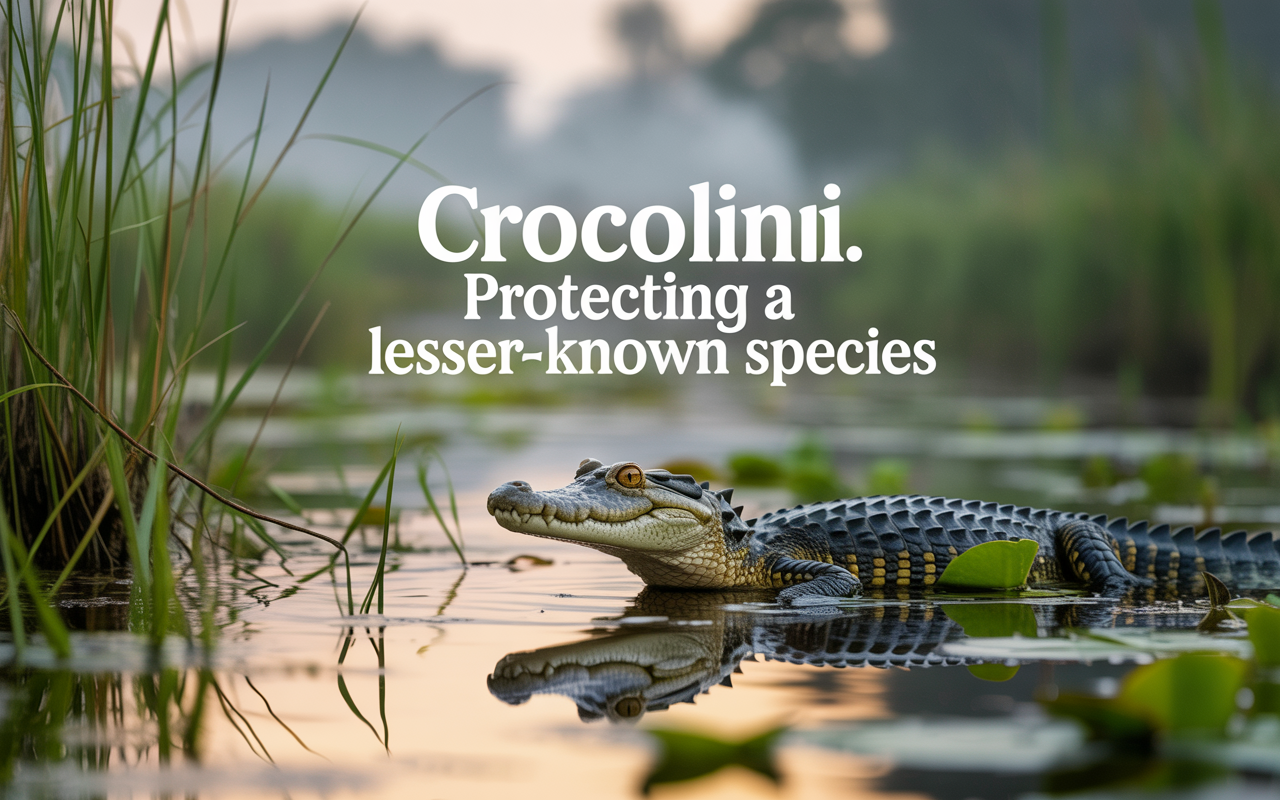
Nestled within the wetlands and mangroves of our planet are creatures that many have never heard of. Among them is the fascinating crocolini—a lesser-known species with a rich history and unique adaptations. These elusive reptiles play a crucial role in their ecosystems, yet they often go unnoticed by both wildlife enthusiasts and conservationists alike. As we explore their habitat, behaviors, and the pressing threats they face, it becomes clear why protecting crocolini is more important than ever. Join us on this journey to uncover the world of crocolini and discover how we can work together to secure their future for generations to come.
Threats to the Survival of Crocolini
Crocolini, often overlooked in conservation discussions, face a myriad of threats that jeopardize their existence. Habitat destruction is one of the most pressing issues. As wetlands and river systems are drained for agriculture and urban development, these creatures lose their vital homes.
Pollution also plays a significant role in diminishing Crocolini populations. Contaminants seep into waterways, affecting food sources and breeding grounds. This toxic environment can lead to health problems and decreased reproduction rates.
Additionally, illegal hunting poses a severe threat to Crocolini numbers. Poachers target them for their skin and meat. This practice not only reduces population sizes but also disrupts local ecosystems where they play an essential role as apex predators.
Climate change further complicates matters by altering habitats and increasing extreme weather events. Rising temperatures affect water levels in rivers, impacting breeding cycles of this unique species.
Conservation Efforts Currently in Place
Conservation initiatives for Crocolini are gaining momentum across various regions. Organizations dedicated to wildlife preservation have established protected areas where these elusive creatures can thrive.
Habitat restoration plays a key role in these efforts. By replanting native flora, conservationists create a conducive environment for the Crocolini’s survival. This not only supports the species but also fosters biodiversity within their ecosystems.
Research is another critical component of current conservation strategies. Scientists are studying Crocolini behavior and breeding patterns to better understand their needs. Knowledge gained from this research informs targeted actions that enhance protection measures.
Community engagement is essential as well. Local populations often participate in monitoring activities, ensuring that poaching and habitat destruction are minimized. Education programs raise awareness about the importance of preserving this lesser-known species, inspiring collective action towards its future survival.
Successes and Failures of Previous Conservation Efforts
Conservation efforts for Crocolini have had a mixed record. Some initiatives successfully raised awareness about their plight, drawing attention to their endangered status. Educational programs in local communities helped foster a sense of stewardship, encouraging people to protect these elusive creatures.
However, not all attempts have yielded positive results. Habitat destruction due to urban expansion continues to threaten Crocolini populations despite conservation laws in place. In some cases, funding cuts led to the discontinuation of vital monitoring projects that are crucial for understanding population dynamics.
On the flip side, collaborations with international wildlife organizations brought fresh resources and expertise. These partnerships sparked innovative strategies that were previously untested in preserving Crocolini habitats.
Yet challenges remain pervasive. The balance between human development and wildlife preservation is still fragile, calling for renewed commitment from all stakeholders involved in safeguarding this remarkable species.
Innovative Approaches to Protecting Crocolini
Innovative strategies are crucial for the survival of Crocolini. One exciting approach is the use of drone technology to monitor their habitats. Drones offer a bird’s-eye view that helps researchers track population numbers and identify changes in habitat conditions.
Another promising method involves community engagement programs. Local residents play an essential role in conservation efforts when they are educated about Crocolini’s ecological importance. Workshops and hands-on activities foster a sense of ownership over these creatures’ well-being.
Additionally, genetic research has opened doors to understanding how best to protect Crocolini from diseases impacting their populations. By studying their DNA, scientists can develop targeted health interventions that strengthen resilience against environmental stressors.
Such innovative measures not only help safeguard this lesser-known species but also enhance biodiversity within ecosystems where they thrive. Collaboration between governments, NGOs, and communities remains vital as we explore new avenues for protection.
How Individuals Can Help
Every individual has the power to make a difference for Crocolini. Start by educating yourself and others about this fascinating species. Knowledge is a tool that fosters awareness and appreciation.
Consider supporting organizations dedicated to Crocolini conservation. Your donations can fund research, habitat restoration, and community education programs. Every little bit adds up.
Participate in local clean-up events near waterways where Crocolini thrive. A healthy ecosystem is crucial for their survival, and your efforts contribute significantly to maintaining it.
Advocate for policies that protect wildlife habitats. Contact local representatives to express your support for environmental legislation aimed at preserving natural spaces vital for Crocolini.
Share your passion on social media platforms. Engage with communities interested in wildlife conservation and spread the word about the importance of protecting these lesser-known creatures!
Conclusion: Preserving the Future of Crocolini
The preservation of Crocolini is crucial for maintaining ecological balance and biodiversity. These fascinating creatures play an essential role in their habitats, helping to regulate populations of other species. As awareness grows, more conservation initiatives are being developed to protect them.
Efforts must be intensified. Local communities continue to be vital allies in these endeavors. Their involvement can lead to sustainable practices that benefit both the environment and local economies.
Education also plays a key role in safeguarding Crocolini from extinction. By informing others about their importance, we can foster greater respect for wildlife conservation as a whole.
Every action counts when it comes to protecting this lesser-known species. From supporting organizations dedicated to preserving their habitat to advocating for environmental policies that prioritize biodiversity, individuals have the power to make a difference.
As we move forward together, let’s ensure that future generations will not only know about Crocolini but will also witness their beauty thriving in the wild. It is our responsibility and privilege to safeguard these unique animals for years ahead.