
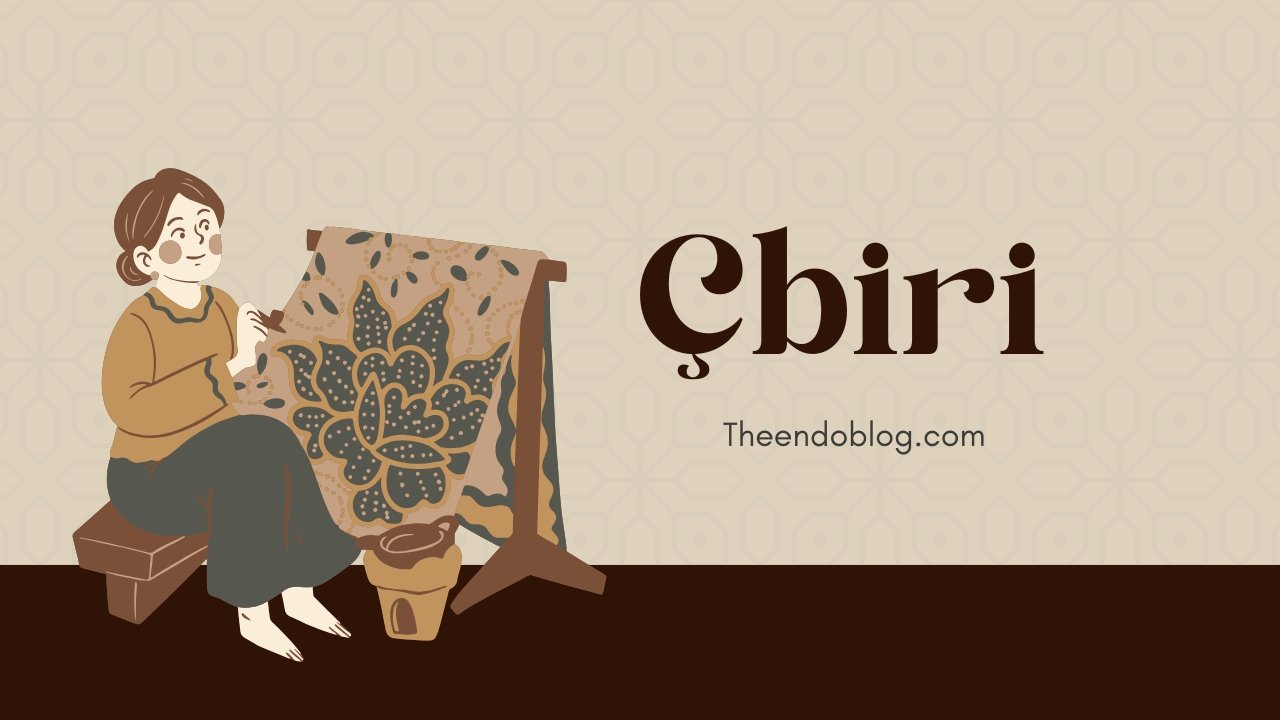
Çbiri is more than just a cultural artifact; it’s a vibrant tapestry woven with the threads of history, identity, and tradition. This enchanting portal invites you to explore the richness of a world where customs are cherished and stories are passed down through generations. Whether you’re an enthusiast of culture or simply curious about unique traditions, the allure of Çbiri will draw you in. With its intricate designs and profound significance, this traditional element captures the essence of community and belonging. Join us as we delve into what makes Çbiri such an essential part of our collective heritage.
The History and Significance of Çbiri
Çbiri has deep roots in cultural history, symbolizing a bridge between past and present. Originating centuries ago, it served as a means to preserve traditions within communities.
This enchanting portal was not just an object; it represented stories of families and their heritage. Each Çbiri carries unique elements reflecting the craftsmanship of its maker.
Throughout time, it has played a pivotal role in celebrations and rituals. Its significance extends beyond mere decoration; it’s a vessel of memories and communal identity.
As societies evolved, so did the meaning of Çbiri. It became intertwined with social gatherings, marking important life events like weddings or festivals. The essence remains—a link to ancestral wisdom that fosters unity among generations.
Today, understanding its history enriches our appreciation for this beautiful artifact and highlights its enduring relevance in modern culture.
Unique Features and Design of a Çbiri
Çbiri captivates with its intricate design and unique features. Each piece is a testament to artistry, often hand-crafted by skilled artisans. The vibrant colors and patterns tell stories passed down through generations.
What sets Çbiri apart is its symbolic motifs. These designs are not mere decoration; they represent local culture and history. From geometric shapes to natural elements, every detail has meaning.
The materials used also contribute to the charm of Çbiri. Traditional fabrics like silk or wool give it an authentic feel while ensuring durability. This combination of aesthetics and functionality creates a captivating visual experience.
Moreover, the structure itself often incorporates traditional techniques that have stood the test of time. The craftsmanship reflects a deep respect for heritage, making each Çbiri not just an object but a connection to cultural roots.
Cultural Significance of Çbiri in Society
Çbiri holds a profound place in the heart of cultural identity. It is more than just an object; it embodies stories, traditions, and values passed down through generations.
In many communities, Çbiri serves as a symbol of unity. During gatherings or ceremonies, it brings people together to celebrate shared heritage. This fosters a sense of belonging among participants.
The intricate designs often tell tales from history or folklore, inviting individuals to connect with their roots on a deeper level. Each pattern carries significance, reflecting the artistry and skills honed over time.
Additionally, Çbiri plays an essential role during rites of passage—weddings and festivals alike are incomplete without its presence. The rituals surrounding its use highlight respect for customs while encouraging younger generations to appreciate their legacy.
Through these practices, Çbiri remains central in preserving culture amidst rapid modernization.
Modern Adaptations and Uses of Çbiri
Modern adaptations of Çbiri have breathed new life into this traditional practice. Today, you can find contemporary interpretations that blend age-old customs with modern aesthetics. Artisans create vibrant variations that appeal to younger generations.
In urban settings, Çbiri has transcended its ceremonial roots. It now appears in art galleries and cultural exhibitions, showcasing the craftsmanship involved. Artists use it as a canvas for storytelling, merging past narratives with current themes.
Social media platforms have played a significant role in reviving interest in Çbiri. Videos and images highlight ceremonies, sparking curiosity among those unfamiliar with the tradition. This digital exposure invites participation from diverse communities.
Moreover, some chefs incorporate traditional elements into culinary experiences inspired by Çbiri rituals. Dishes served during gatherings reflect regional diversity while maintaining respect for their origins. The fusion of flavors adds another layer to the experience without losing sight of its heritage.
How to Experience a Traditional Çbiri Ceremony
To truly immerse yourself in a traditional Çbiri ceremony, seek out local cultural centers or communities that host these events. Many villages proudly continue this age-old practice, welcoming visitors to witness its beauty.
Dress appropriately for the occasion. Wearing traditional attire can enhance your experience and show respect for the customs being celebrated.
Arrive early to observe the preparations. The ambiance fills with excitement as participants gather, each bringing their unique energy and enthusiasm.
During the ceremony, engage with local attendees. Ask questions about rituals and meanings behind specific practices; this interaction deepens your understanding of Çbiri’s significance.
Savor authentic food offerings prepared for the event. These dishes often tell stories of heritage through flavors that have been passed down generations.
Don’t forget to capture moments on camera—just be mindful not to disrupt the sacredness of this enchanting celebration while doing so.
Conclusion: Keeping Tradition Alive with Çbiri
Cherishing the rich heritage of Çbiri is essential for preserving our cultural identity. This enchanting portal invites individuals into a world where tradition and modernity coexist beautifully. By understanding its history, unique features, and societal significance, we can appreciate what makes Çbiri so special.
Experiencing a traditional Çbiri ceremony offers insight into community values and shared beliefs. As more people seek to embrace their roots in today’s fast-paced environment, adapting these customs becomes crucial. Whether through festivals or personal gatherings, keeping the spirit of Çbiri alive ensures that future generations will also have access to this captivating aspect of culture.
Embracing traditions like Çbiri not only honors those who came before us but enriches our lives today. It’s an invitation to celebrate diversity and unity within communities worldwide—a reminder that while times may change, the essence of our cultural practices remains timeless and vital.