
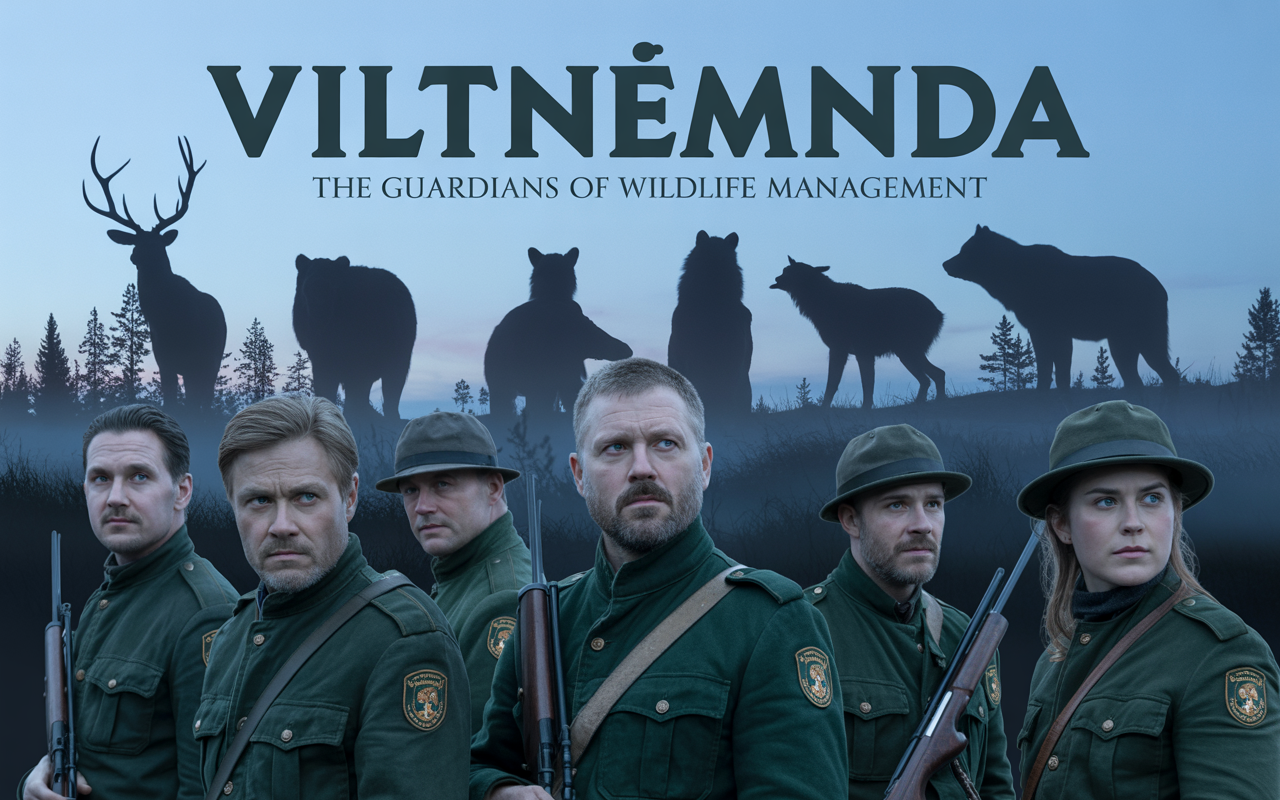
When it comes to wildlife management in Norway, few entities hold as much influence and responsibility as Viltnemnda. These dedicated organizations operate at the intersection of conservation, community interests, and sustainable practices. They play a crucial role in ensuring that the delicate balance between human activity and wildlife preservation is maintained. Curious about how these guardians of nature function? Let’s dive into the world of Viltnemnda and uncover their vital contributions to Norway’s rich tapestry of wildlife.
History and Purpose of Viltnemnda
Viltnemnda, established in Norway, serves as a vital link between wildlife and human interests. Its roots trace back to the need for sustainable wildlife management practices that respect both ecological balance and community needs.
Originally formed to address conflicts arising from hunting, its purpose has evolved over time. Today, Viltnemnda oversees population control measures and conservation efforts across diverse habitats.
The organization plays an essential role in educating the public about local fauna. By promoting responsible interaction with nature, it helps reduce negative encounters between humans and animals.
Through collaboration with various stakeholders such as hunters, landowners, and environmentalists, Viltnemnda aims to foster harmonious coexistence. This cooperative approach is crucial for maintaining biodiversity while ensuring that traditional hunting practices remain viable.
Roles and Responsibilities of Viltnemnda
Viltnemnda plays a crucial role in wildlife management across Norway. Its primary responsibility is to ensure that animal populations remain balanced and healthy. This involves monitoring various species and their habitats, identifying any threats they may face.
Another significant function is setting hunting quotas. By regulating the number of animals harvested each year, Viltnemnda aims to maintain sustainable population levels while respecting local traditions and cultural practices.
Additionally, Viltnemnda provides valuable advice on conservation efforts. They collaborate with landowners, researchers, and environmental groups to develop strategies for habitat preservation.
Education also falls under their purview. The organization actively informs the public about ethical wildlife interactions and promotes awareness of biodiversity issues facing Norwegian ecosystems.
In times of human-wildlife conflicts, Viltnemnda steps in as mediators, ensuring both animals’ welfare and community safety are prioritized through effective conflict resolution strategies.
Controversies Surrounding Viltnemnda’s Methods
The methods employed by Viltnemnda have sparked heated debates among conservationists and local communities. Critics argue that their approach to wildlife management can be too aggressive, particularly in culling populations deemed overabundant. This has led to accusations of mismanagement and a lack of ecological sensitivity.
Some believe that these actions disrupt natural ecosystems, pointing out the potential long-term consequences on biodiversity. The emotional aspect cannot be ignored either; many people feel a deep connection with wildlife and are opposed to any form of animal control.
On the other hand, proponents assert that such measures are necessary for maintaining balance within Norway’s varied environments. They argue that without intervention, certain species could become overly dominant, leading to habitat degradation.
This tension between conservation efforts and public sentiment continues to shape discussions surrounding Viltnemnda’s role in wildlife management across the country.
Success Stories of Viltnemnda’s Wildlife Management
Viltnemnda has achieved remarkable successes in wildlife management across Norway. One notable achievement is the recovery of the moose population, which faced severe overpopulation issues a few decades ago. Through regulated hunting and habitat management, Viltnemnda helped stabilize this majestic animal’s numbers.
Another success story involves the protection of endangered species like the wolverine. By implementing strict guidelines for land use and monitoring their habitats, Viltnemnda has seen an increase in wolverine sightings in various regions.
Community engagement plays a crucial role as well. Local educational programs initiated by Viltnemnda have raised awareness about biodiversity conservation among residents, fostering a culture of coexistence with local wildlife.
The balance they strive to maintain between human activity and ecological health showcases their commitment to preserving Norway’s natural heritage while ensuring sustainable practices endure for generations to come.
Viltnemnda’s Impact on Norway’s Environment
Viltnemnda plays a crucial role in shaping Norway’s environmental landscape. Their management strategies directly influence the balance of ecosystems across the nation. By regulating wildlife populations, they help prevent overgrazing and ensure diverse plant life thrives.
Moreover, Viltnemnda encourages sustainable hunting practices that not only support local communities but also promote biodiversity. This careful monitoring helps maintain healthy predator-prey dynamics, which is vital for ecosystem health.
Their efforts contribute to mitigating human-wildlife conflicts as well. Effective management fosters coexistence between people and animals, allowing both to thrive.
Through education initiatives, Viltnemnda raises awareness about conservation issues. Engaging with locals cultivates a sense of responsibility towards natural habitats. The organization’s approach integrates science with community input, creating a holistic model for wildlife stewardship in Norway’s stunning landscapes.
Conclusion: The Role of Viltnemnda in Preserving Norway’s Wildlife
Viltnemnda plays a pivotal role in the delicate balance of Norway’s wildlife management. By overseeing hunting regulations and setting sustainable practices, they ensure that both animal populations and ecosystems remain healthy. Their efforts contribute significantly to preserving biodiversity while addressing human-wildlife conflicts.
The organization’s commitment to research and monitoring is vital for adapting strategies as environmental conditions change. Through collaboration with local communities, Viltnemnda fosters awareness and understanding of wildlife issues, strengthening the relationship between people and nature.
As guardians of Norway’s rich natural heritage, Viltnemnda embodies the spirit of responsible stewardship. Their ongoing work promises a future where wildlife thrives harmoniously alongside human interests, ensuring that generations to come can enjoy Norway’s breathtaking landscapes teeming with life.