Serlig: Meaning, Origins, and Its Emerging Role in Modern Digital Identity
Introduction to Serlig
In a world where our digital presence often defines us, the concept of “Serlig” is emerging as a crucial part of modern identity. But what exactly does Serlig mean, and why is it gaining traction? As we navigate through online interactions, social media platforms, and virtual transactions, understanding this term could reshape how we perceive our digital selves. Join us on this exploration to uncover the meaning behind Serlig, its origins in history, and its growing significance in today’s interconnected landscape. Whether you’re tech-savvy or simply curious about your online persona, there’s much to discover about how Serlig is transforming our digital identities.
The Origins and History of Serlig
The term “Serlig” has intriguing roots that intertwine technology and culture. Its origins can be traced back to a blend of diverse influences, primarily influenced by the digital age’s rapid evolution.
Initially, Serlig emerged within niche online communities where privacy and identity management became paramount. As users sought ways to protect their personal information, Serlig carved out its identity as a solution.
Over time, it gained traction beyond these circles. Developers began incorporating Serlig into various platforms aimed at enhancing user control over their digital presence. This shift marked a significant milestone in how individuals interact with technology.
Cultural narratives surrounding digital identities also played a role in shaping Serlig’s significance. As awareness grew about data security and individual rights, the concept evolved further, becoming more relevant in discussions around modern identity frameworks.
How Serlig is Used in Modern Digital Identity
Serlig is revolutionizing the way we approach digital identity. In an age where online presence matters more than ever, it offers a unique solution for individuals and organizations alike.
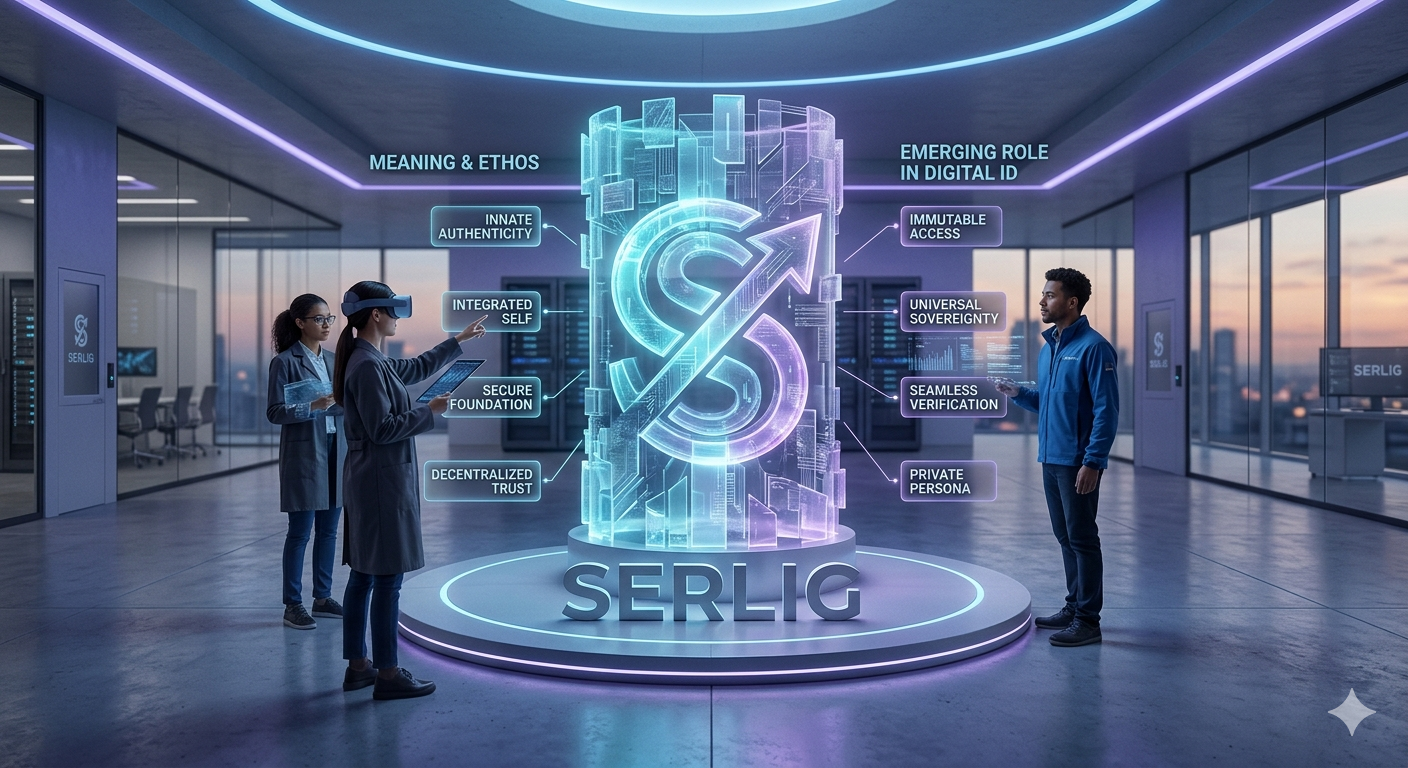
This innovative system allows users to manage their identities across multiple platforms seamlessly. By providing verified credentials, Serlig enhances trust between users and service providers.
Moreover, its integration with blockchain technology ensures data security. Users can control who accesses their information while maintaining privacy.
Companies are adopting Serlig to streamline onboarding processes. This not only reduces fraud but also improves user experience significantly.
As businesses embrace remote work culture, Serlig becomes even more vital. It empowers individuals to establish credible identities without relying on traditional methods that often hinder accessibility.
In this evolving landscape of digital interactions, Serlig stands out as a modern tool that adapts to our needs.
The Benefits and Advantages of Serlig
Serlig brings a host of benefits to the digital landscape. Its ability to create secure identities is one of its most compelling features. By leveraging advanced encryption techniques, Serlig helps protect personal information from unauthorized access.
Another advantage lies in its user-friendly interface. This simplicity encourages adoption among various demographics. Even those who are not tech-savvy can navigate it with ease.
Moreover, Serlig promotes privacy awareness. Users become more informed about their data and how it’s used online. This consciousness fosters responsible digital behavior.
Additionally, businesses benefit significantly from implementing Serlig solutions. Enhanced identity verification methods reduce fraud risk and build customer trust.
The adaptability of Serlig across multiple platforms makes it a versatile tool for both individuals and corporations alike. Its integration capabilities streamline processes while enhancing security measures simultaneously.
Future Implications and Developments of Serlig
The future of Serlig is poised for transformation. As digital identities become more critical, the role of Serlig will likely expand significantly.
Innovative technologies like blockchain and artificial intelligence could enhance its functionality. This would allow for greater security and efficiency in managing online identities.
Moreover, as privacy concerns continue to rise, Serlig may evolve into a vital tool for individuals seeking control over their personal data. The ability to manage one’s digital footprint effectively can lead to increased trust in online interactions.
Businesses might also leverage Serlig as part of their customer engagement strategies. By integrating it into platforms, companies can offer personalized experiences while safeguarding user information.
As society becomes increasingly connected, the developments surrounding Serlig will be closely watched by technologists and consumers alike. Its impact on how we navigate our digital lives could redefine relationships between users and technology.
Criticisms and Controversies Surrounding Serlig
Critics argue that Serlig poses significant privacy concerns. As it gathers vast amounts of personal data, the potential for misuse increases. Data breaches could expose sensitive information, leading to identity theft.
Another point of contention is accessibility. Not everyone has equal access to technology or the internet. This raises questions about who can truly benefit from Serlig systems and who gets left behind.
Additionally, there are debates surrounding trustworthiness. With various organizations managing Serlig identities, worries arise regarding transparency and security protocols.
Some experts fear over-reliance on digital identities may diminish traditional forms of identification. This shift could create complications for individuals lacking digital literacy or resources to engage with evolving technologies.
Conclusion: The Growing Importance of Serlig in our Digital World
The concept of Serlig is rapidly gaining traction in today’s increasingly digital landscape. As individuals and organizations navigate the complexities of identity verification, data privacy, and online interactions, Serlig offers a promising solution. It represents a shift towards more secure and user-centered approaches to digital identity.
As technology continues to evolve, so too will the applications of Serlig. Its potential impact on industries like finance, healthcare, and social media cannot be overstated. With an emphasis on decentralization and personal control over one’s data, it aligns perfectly with current trends prioritizing user autonomy.
However, as with any emerging technology, there are challenges ahead. Continued education about its advantages and risks will be crucial for widespread acceptance. Moreover, addressing criticisms surrounding privacy concerns must take center stage.
The future of Serlig looks bright but requires collaborative efforts from tech innovators policymakers regulatory bodies alike to truly harness its full potential across various sectors in our interconnected world. Embracing this evolution may very well define how we establish trust in our digital identities moving forward.