
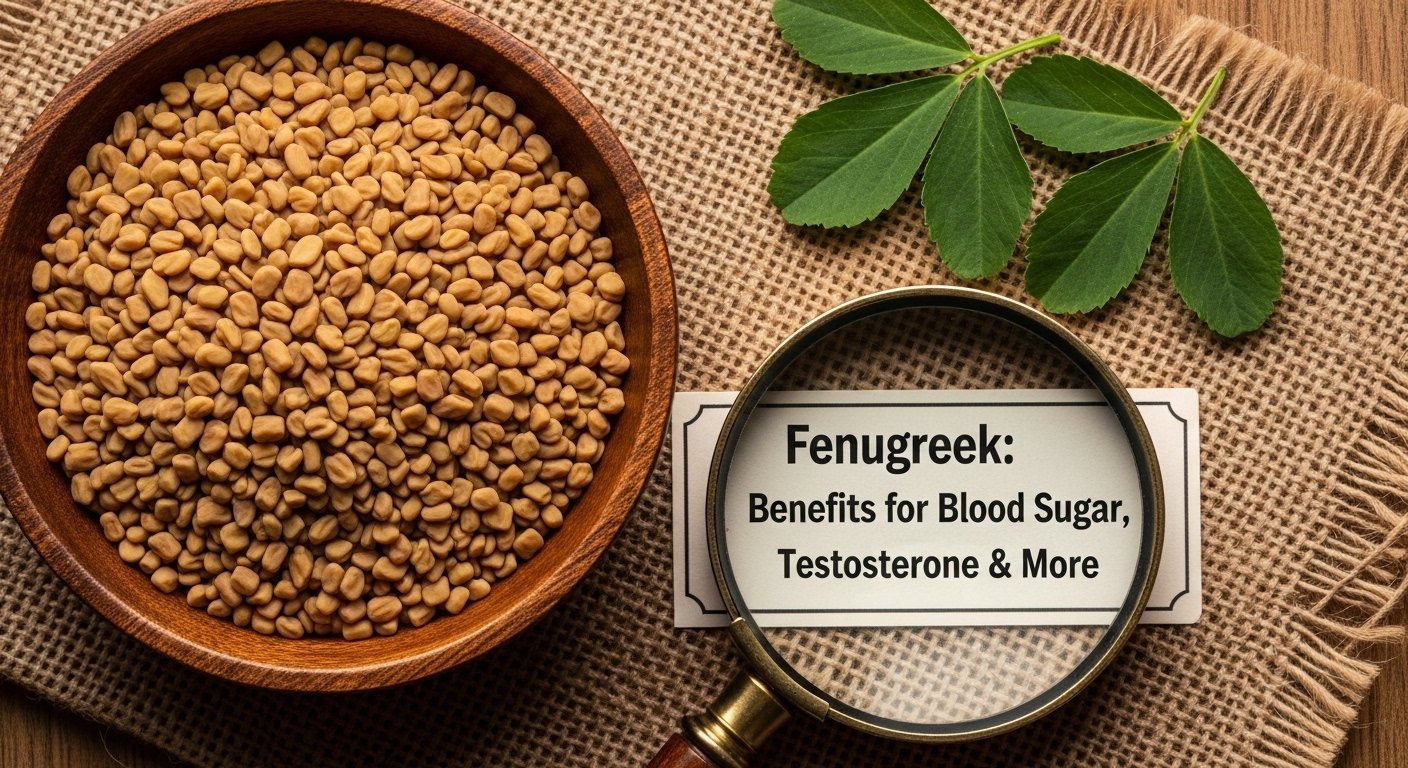
Foenegriek, also known as fenugreek, is a herb that has been celebrated for centuries for its remarkable health benefits. With roots tracing back to ancient civilizations, this powerhouse plant is making a resurgence in modern wellness circles. Whether you’re looking to manage blood sugar levels or boost testosterone naturally, foenegriek might just be the secret ingredient you’ve been searching for. But it doesn’t stop there—its unique flavor and versatile nature make it an excellent addition to your diet. Let’s dive into the fascinating world of foenegriek and uncover why it’s worth adding to your pantry!
History and Origin of Foenegriek
Foenegriek, commonly known as fenugreek, has a rich history that dates back thousands of years. Originating in the Mediterranean region and parts of Asia, this herb has been cherished for its culinary and medicinal properties.
Ancient Egyptians valued foenegriek not only for its flavor but also for its role in embalming processes. It was often mentioned in ancient texts as a remedy for various ailments.
In Ayurvedic medicine, foenegriek is celebrated as a natural treatment to balance body systems. Its use spread across cultures over centuries, becoming popular in Indian cuisine and traditional remedies.
Today, foenegriek remains integral to many dishes around the world while continuing to be studied for its health benefits. This humble seed carries with it an extensive legacy steeped in tradition and healing practices.
Nutritional Profile of Foenegriek
Foenegriek, often known as fenugreek, boasts a remarkable nutritional profile that makes it a valuable addition to any diet. This herb is rich in essential vitamins and minerals, including iron, magnesium, and vitamin B6. Each of these nutrients plays a pivotal role in maintaining overall health.
Notably, foenegriek seeds are packed with dietary fiber. This aids digestion and helps keep you feeling fuller for longer periods. In addition to this fiber content, the seeds contain antioxidants that combat oxidative stress in the body.
Another significant component of foenegriek is its unique blend of phytonutrients. These compounds contribute not only to its distinctive flavor but also offer various therapeutic benefits. Including foenegriek in your meals can enhance both taste and nutrition effortlessly. With so much packed into such small seeds, it’s easy to see why they have been cherished through history.
Health Benefits of Foenegriek:
Foenegriek, often known as fenugreek, is a powerhouse of health benefits. One of its standout features is its ability to help manage blood sugar levels. Studies suggest that foenegriek can enhance insulin sensitivity and reduce blood glucose spikes after meals.
Another intriguing benefit lies in boosting testosterone levels. This herb has been linked to improved hormone production, which can be particularly beneficial for men looking to enhance their vitality.
Foenegriek also shines when it comes to digestion. Its high fiber content aids in regular bowel movements and promotes gut health by fostering good bacteria.
For nursing mothers, foenegriek acts as a galactagogue, stimulating breast milk production. Many women turn to this natural remedy during breastfeeding for better supply and nourishment for their babies.
A. Blood Sugar Management
Foenegriek, often known as fenugreek, has gained attention for its potential to manage blood sugar levels effectively. This ancient herb contains compounds that may help improve insulin sensitivity.
Research suggests that foenegriek can lower fasting blood glucose levels. The high fiber content plays a significant role in slowing down carbohydrate absorption.
Incorporating foenegriek into your diet might be beneficial for those with diabetes or prediabetes. Studies indicate it could also reduce the risk of developing these conditions.
Using foenegriek seeds in meals adds flavor and health benefits without much effort. Whether sprinkled on salads or mixed into smoothies, this versatile ingredient can support overall metabolic health while helping maintain balanced blood sugar levels.
B. Boosting Testosterone Levels
Foenegriek has gained attention for its potential to boost testosterone levels. This ancient herb is rich in compounds that may influence hormone production and regulation.
Studies suggest that foenegriek can enhance testosterone levels by inhibiting enzymes that convert it into estrogen. This means more of the hormone remains available for essential functions like muscle growth, energy levels, and libido.
Additionally, foenegriek’s role in supporting healthy insulin sensitivity might indirectly benefit testosterone production. When blood sugar levels stabilize, hormonal balance improves, creating a favorable environment for optimal testosterone function.
Incorporating this herb into your routine could be an effective way to naturally support your body’s hormone health. Whether through supplements or culinary uses, foenegriek offers an interesting approach to enhancing vitality.
C. Improving Digestion
Foenegriek is a treasure for those seeking relief from digestive troubles. Its high fiber content aids in promoting regular bowel movements, making it easier to maintain gut health.
The seeds contain compounds that can soothe inflammation in the intestines. This may reduce discomfort caused by bloating and gas.
Additionally, foenegriek has been known to stimulate gastric juices. This enhances digestion and nutrient absorption, which is essential for overall well-being.
For people dealing with constipation or sluggish digestion, adding foenegriek to their diet could make a significant difference. It offers a natural way to promote harmony within the digestive system without harsh chemicals or medications.
Incorporating this spice into meals not only adds flavor but also supports gastrointestinal function effectively.
D. Supporting Breast Milk Production in Nursing Mothers
Foenegriek has garnered attention for its potential benefits in supporting breastfeeding mothers. Traditionally used in various cultures, this herb is believed to enhance milk production naturally.
The seeds of foenegriek are rich in phytoestrogens, compounds that mimic estrogen’s effects in the body. This may help stimulate breast tissue and improve lactation. Many nursing mothers seek natural remedies, making foenegriek a popular choice.
Incorporating this herb into your diet can be simple. Foenegriek tea or capsules are commonly available options. Some even prefer adding the seeds to smoothies or baked goods for an extra nutritional boost.
It’s essential for nursing mothers to consult healthcare providers before trying new supplements. Individual needs vary widely, and professional guidance ensures safety while enhancing breastfeeding experiences with foenegriek’s support.
How to Incorporate Foenegriek into Your Diet
Incorporating foenegriek into your diet can be both easy and enjoyable. One of the simplest ways is to add the seeds to your smoothies. Just a teaspoon can boost flavor and nutrition.
You can also sprinkle ground foenegriek on salads or yogurt for an extra crunch. It pairs well with various spices, enhancing dishes without overwhelming them.
For those who enjoy cooking, consider using foenegriek in curries or soups. The seeds release a delightful aroma and a subtle sweetness when cooked.
If you prefer something warm, brewing it as a tea is another option. Steep the seeds in hot water for about 10 minutes to extract their beneficial properties.
Baking with foenegriek flour adds unique depth to breads or muffins while providing nutritional benefits you won’t want to miss out on.
Recipes and Cooking Tips
Foenegriek is versatile and can enhance various dishes. Start by adding a teaspoon of ground fenugreek seeds to your morning smoothie for an earthy flavor.
Incorporate it into savory meals too. Sprinkle some in curries, stews, or soups during cooking to deepen the taste profile. The nutty aroma elevates simple recipes.
For those who enjoy baking, consider mixing fenugreek powder into bread or pancake batter. It adds nutrition and a hint of distinct flavor that surprises the palate.
Soak whole seeds overnight before using them in salads or stir-fries. This softens their texture while enhancing digestibility.
Try making homemade foenegriek tea by steeping the seeds in hot water. A soothing drink with numerous health benefits awaits you!
Conclusion
Foenegriek has emerged as a powerful herb with a rich history and impressive health benefits. Its origins trace back to ancient civilizations, where it was valued not only for its flavor but also for its medicinal properties. Today, science supports many of the traditional claims surrounding this remarkable seed.
The nutritional profile of Foenegriek is noteworthy, packed with essential vitamins and minerals that contribute to overall well-being. From managing blood sugar levels effectively to potentially boosting testosterone levels in men, Foenegriek offers various advantages worth exploring.
Moreover, this versatile herb can improve digestion and support lactation in nursing mothers. By incorporating Foenegriek into your diet through simple recipes or cooking tips, you can easily harness its numerous health benefits.
Whether you choose capsules or natural seeds added to dishes, including Foenegriek in your daily routine might enhance both physical health and vitality. Embracing such a potent ingredient could be just what you need on your journey toward better wellness.