
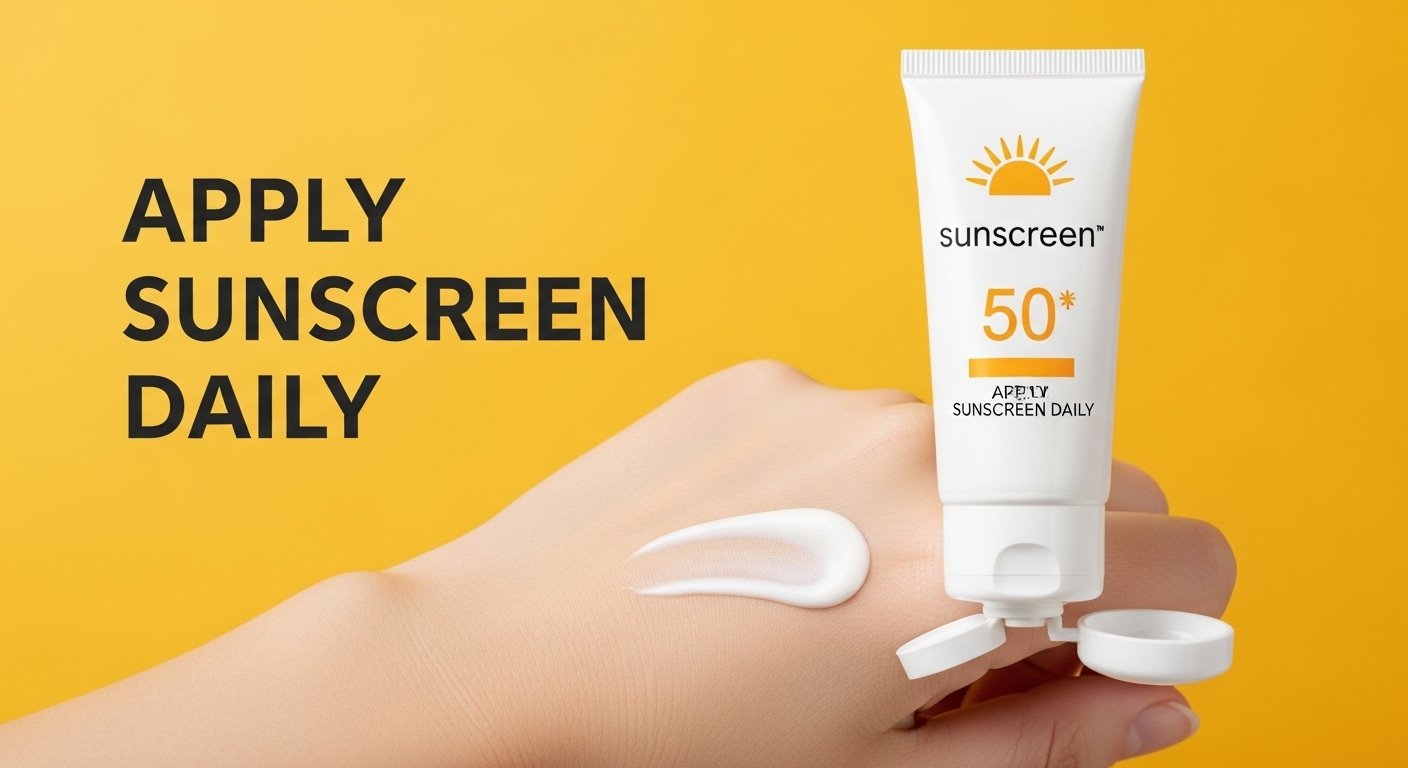
The sun gives us life, warmth, and a vital dose of vitamin D, but it also emits ultraviolet (UV) radiation that can wreak havoc on our skin. According to the Skin Cancer Foundation, approximately 90 percent of non-melanoma skin cancers are associated with exposure to UV radiation from the sun. Beyond the serious health risks, unprotected sun exposure is also the primary culprit behind premature skin aging, leading to wrinkles, sun spots, and a loss of elasticity.
Fortunately, safeguarding your skin does not require you to hide indoors all day. By adopting a few consistent routines, you can enjoy the outdoors safely. In this listicle, you will discover seven practical, daily habits to protect your skin from harmful UV rays, helping you maintain a healthy, youthful complexion for years to come.
1. Apply Broad-Spectrum Sunscreen Every Morning
The foundation of any effective sun protection strategy is the daily application of sunscreen. It is crucial to choose a broad-spectrum formula, which means it protects against both UVA rays (which cause aging) and UVB rays (which cause burning). Dermatologists universally recommend using a sunscreen with a Sun Protection Factor (SPF) of at least 30, which blocks about 97 percent of the sun’s UVB rays.
To make this a seamless part of your life, apply your sunscreen every single morning, regardless of the weather forecast. Cloud cover can be deceptive; up to 80 percent of UV rays can penetrate through clouds. A practical tip is to place your sunscreen right next to your toothpaste. By linking the application of SPF to an established daily habit like brushing your teeth, you ensure that you never step outside without your primary layer of defense.
2. Reapply Sunscreen Throughout the Day
Applying sunscreen in the morning is a fantastic start, but it is not a “set it and forget it” solution. Sunscreen active ingredients break down upon exposure to sunlight, and the product naturally rubs off or sweats off over time. For optimal protection, sunscreen should be reapplied every two hours that you spend outdoors, and immediately after swimming or heavy sweating.
Many people skip this step because they do not want to ruin their makeup or deal with greasy hands in the middle of the day. A highly effective tip for easy reapplication is to keep a powder sunscreen or a continuous-spray SPF facial mist in your bag. These products can be applied directly over makeup without disturbing your look, providing a quick, matte layer of protection on the go.
3. Seek Shade During Peak UV Hours
The sun’s rays are most intense during the middle of the day, specifically between the hours of 10:00 AM and 4:00 PM. Limiting your direct exposure during this window is one of the easiest ways to significantly reduce your total daily UV dose.
If you must be outside during peak hours, make it a habit to actively seek out shade. Whether you are walking on the shadowed side of the street, sitting under a leafy tree at the park, or bringing a sun umbrella to the beach, utilizing shade is a highly effective physical barrier against radiation.
4. Wear Protective Clothing and Accessories
Clothing is our first line of defense against the elements, and it plays a massive role in UV protection. However, not all clothing is created equal. A standard white cotton t-shirt only offers an Ultraviolet Protection Factor (UPF) of about 5, meaning a significant amount of UV radiation can still reach your skin.
Make it a habit to wear densely woven, dark, or brightly colored fabrics that naturally absorb more UV rays. For prolonged outdoor activities, consider investing in UPF-rated clothing, which is specially treated to block radiation. Furthermore, always accessorize with a wide-brimmed hat to protect your scalp, ears, and neck, and wear UV-blocking sunglasses to shield your eyes and the delicate skin surrounding them from cataract-causing damage.
5. Invest in UV-Blocking Window Treatments
A common misconception is that you are completely safe from the sun when you are indoors or inside a vehicle. While standard glass blocks most UVB rays, UVA rays—the ones responsible for deep cellular aging and skin cancer—can easily penetrate standard windows. In fact, studies have shown that individuals who spend a lot of time driving often exhibit significantly more sun damage and deeper wrinkles on the window-facing side of their faces.
To combat this hidden exposure, you can apply protective films to your home and vehicle windows. For instance, looking into car window tinting in Salt Lake City or your local area is a great way to equip your vehicle with premium ceramic films that block up to 99 percent of harmful UV rays. This daily habit of utilizing physical window barriers ensures you remain protected during your daily commute.
6. Check the Daily UV Index
Just as you might check the weather app to decide if you need an umbrella, checking the daily UV Index should become a daily habit. The UV Index is an international standard measurement of the strength of sunburn-producing ultraviolet radiation at a particular place and time. The scale ranges from 1 to 11+, with higher numbers indicating a greater risk of exposure.
Most standard weather smartphone apps include the UV Index in their daily forecasts. A good rule of thumb is that if the UV Index is 3 (moderate) or higher, sun protection measures are absolutely necessary. Checking this index each morning allows you to prepare adequately, perhaps prompting you to wear long sleeves or pack an extra bottle of sunscreen on high-index days.
7. Be Mindful of Reflective Surfaces
UV rays do not just come directly from the sky; they can also bounce off surfaces around you, significantly increasing your overall exposure. Surfaces like water, white sand, concrete, and snow are highly reflective. For example, snow can reflect up to 80 percent of UV radiation, meaning your skin is hit by the same rays twice—once from above and once from below.
Being mindful of your environment is a crucial daily habit. If you are spending the day boating, skiing, or walking along a sandy beach, you must be extra vigilant with your protective measures. Apply sunscreen to easily forgotten areas, like the underside of your chin and the tip of your nose, which are particularly vulnerable to reflected UV rays.
By integrating these seven simple habits into your daily routine, you can vastly decrease your risk of sun-induced skin damage. Consistent, mindful protection allows you to safely embrace the outdoors while preserving the health and vitality of your skin.